Body Scan Gym: A Guide to Tracking Progress

Heading 2
Heading 1
Heading 3
Heading 4
Heading 5
Heading 6
Lorem ipsum dolor sit amet, consectetur adipiscing elit, sed do eiusmod tempor incididunt ut labore et dolore magna aliqua. Ut enim ad minim veniam, quis nostrud exercitation ullamco laboris nisi ut aliquip ex ea commodo consequat. Duis aute irure dolor in reprehenderit in voluptate velit esse cillum dolore eu fugiat nulla pariatur.
Block quote
Ordered list
- Item 1
- Item 2
- Item 3
Unordered list
- zz
- Item B
- Item C
Bold text
Emphasis
Superscript
Subscript
One-size-fits-all fitness plans are a relic of the past. Today’s clients expect a personalized approach, and that requires data. Without understanding a client's unique body composition, you're essentially guessing what will work best. A body scan provides the precise metrics needed to stop guessing and start strategizing. It reveals a person's exact muscle mass, body fat percentage, and even potential imbalances. This information is the foundation for creating truly effective, customized training and nutrition programs. A body scan gym doesn't just offer workouts; it offers a smarter, data-driven path to results that clients can see and feel.
Key Takeaways
- Show Clients Progress Beyond the Scale: Body scans provide tangible proof of changes in muscle and fat that a traditional scale can't show. This visual and data-driven feedback is a powerful tool for keeping clients motivated and demonstrating the value of your programs.
- Personalize Programs with Precise Data: Use the detailed metrics from a body scan to create truly customized fitness and nutrition plans. This data-driven approach helps you tailor your services to a client's specific body composition, leading to better and faster results.
- Establish a Consistent Scanning Routine: The real power of body scanning is tracking trends over time. By creating a simple, repeatable protocol for every scan—like scheduling them at the same time of day—you ensure the data is reliable and provides a clear picture of a client's progress.
What Is a Body Scan?
A body scan is a powerful tool that gives you and your clients a complete picture of their body composition, far beyond what a traditional scale can offer. While a scale only shows total weight—a number that can be misleading and frustrating—a body scan breaks that number down into meaningful data. Think of it as moving from a single, blurry data point to a high-definition map of the body. It answers the questions that matter: Is the weight you're losing fat or muscle? Where are you building strength? How is your body composition shifting over time?
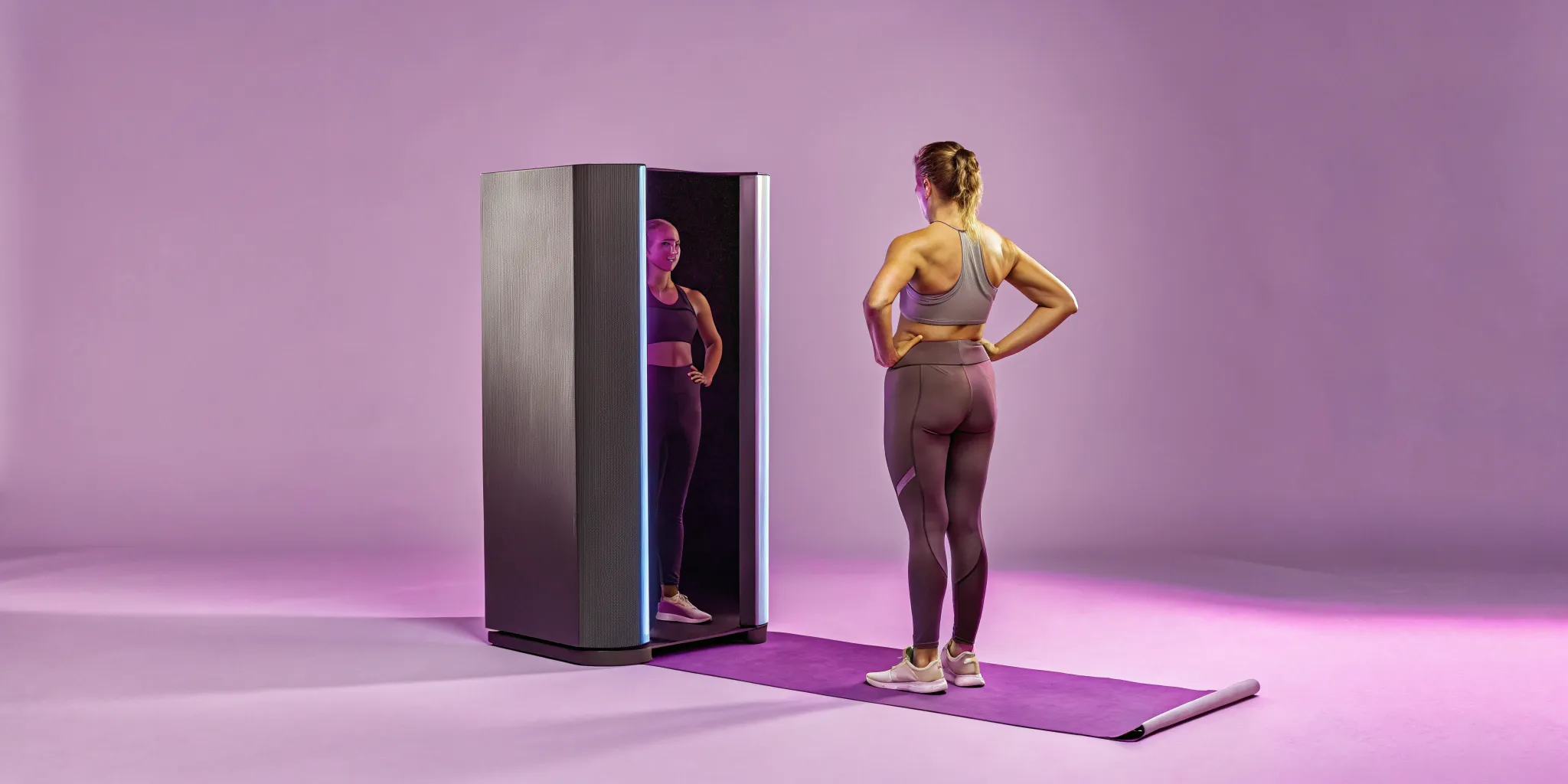
These scans use advanced technology to create detailed 3D models and measure key metrics like muscle mass, body fat percentage, and even water distribution. For health clubs and personal trainers, this information is invaluable. It allows you to show clients tangible proof of their hard work—like gaining muscle while losing fat—even when the number on the scale doesn't budge. This detailed analysis helps you track progress accurately, set realistic goals, and tailor fitness and wellness programs for better, more personalized results. It transforms the conversation from "How much do you weigh?" to "How is your body changing for the better?" and provides the visual and data-driven motivation clients need to stay committed.
How Does Body Scanning Work?
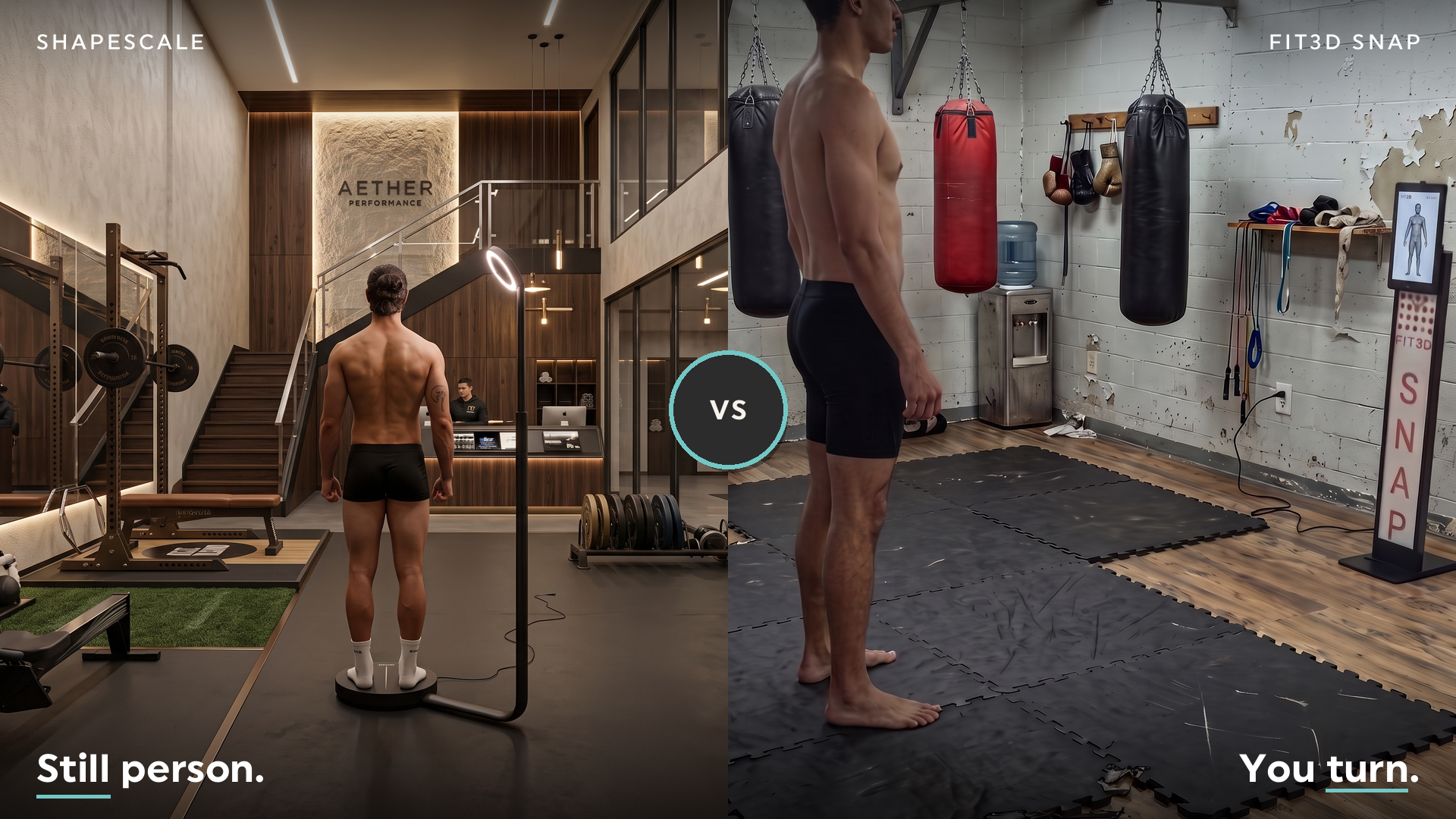
Body scanning technology generally falls into two main categories. The first is 3D body scanning, which uses a series of high-resolution cameras and sensors. A person stands on a rotating platform for less than a minute while the scanner captures thousands of data points from every angle. This information is then stitched together to create a precise 3D avatar and extract hundreds of body measurements.
The second common method is Bioelectrical Impedance Analysis (BIA). BIA devices work by sending a safe, low-level electrical current through the body. Since muscle, fat, and water conduct electricity at different rates, the device measures the resistance (or impedance) to estimate body composition. You’ll often find this technology in handheld devices or smart scales. Both methods offer a non-invasive way for medical spas and wellness centers to provide clients with valuable health data.
What Key Metrics Do Body Scans Measure?
A comprehensive body scan provides a wealth of information that helps you and your clients understand their health on a deeper level. Instead of just one number, you get a full report with dozens of metrics. Some of the most important measurements include body fat percentage, lean muscle mass, and visceral fat—the dangerous fat surrounding your organs.
Scans also provide detailed circumference measurements for areas like the chest, waist, hips, and thighs, which are perfect for tracking visual changes. Other key data points often include Basal Metabolic Rate (BMR), which tells you how many calories the body burns at rest, and total body water. For weight management programs, this level of detail is essential for creating effective, data-driven plans that go far beyond simple calorie counting.
Why Get a Body Scan?
For clients, stepping on a traditional scale can feel like a shot in the dark. The number might go up or down, but it rarely tells the whole story of their hard work. Body scans offer a detailed, multi-dimensional view of what’s really happening inside their bodies. This data empowers you and your clients to move beyond weight, track meaningful changes, and create a clear path to their wellness goals. By providing this deeper insight, you can offer a more premium, personalized, and effective service that keeps clients coming back.
See Progress Beyond the Scale
A standard scale can be deceiving. When a client is building muscle and losing fat simultaneously, their weight might not change much, leading to frustration. Body scans solve this problem by showing changes in body composition. Technologies like 3D body scanning create a visual avatar of the body, while others use bioelectrical impedance analysis (BIA) to measure metrics like muscle mass and body fat percentage. This allows clients to see tangible proof of their progress, like inches lost or muscle gained, which is far more encouraging than a static number on a scale. It reframes their journey around health metrics that truly matter.
Get Personalized Fitness Insights
One-size-fits-all fitness plans rarely deliver optimal results. Body scans provide the specific data needed to create truly personalized programs. By measuring a client's unique makeup of muscle, fat, and water, you can tailor nutrition and workout recommendations to their exact needs. For example, if a scan reveals a muscle imbalance, a personal trainer can design a strength program to correct it. This level of customization not only helps clients reach their goals faster but also shows them that you are invested in their individual success, building trust and loyalty.
Stay Motivated and Accountable
Nothing keeps a client motivated like seeing visible results. When clients can compare 3D models of their bodies from one month to the next, the changes are undeniable. This visual feedback is a powerful tool for encouragement and helps them stay committed, especially when progress feels slow. Regular scans create a schedule of accountability, giving clients a consistent touchpoint to check in on their journey. Seeing their body transform in 3D makes the goal feel more attainable and keeps them engaged with your program long-term. You can book a demo to see how this technology can improve client retention.
Understand Your Health Risks
Body scans offer critical health insights that go far beyond appearance. Certain technologies can identify visceral fat—the dangerous fat stored around your internal organs that is linked to a higher risk of chronic diseases. By making this invisible threat visible, you can help clients understand the health-related reasons for making a change. This shifts the conversation from just looking better to living a longer, healthier life. For weight management clinics and medical spas, this data provides a clinical basis for wellness plans and reinforces the value of your services.
What Are the Different Types of Body Scans?
When you hear "body scan," you might picture one specific machine, but several different technologies are available, each with its own approach to measuring the human body. The right choice for your business depends on the specific goals of your clients, whether they're focused on fat loss, muscle gain, or overall wellness. Some methods use light and cameras to create a visual model, while others use electrical currents or X-rays to see what’s happening inside. Understanding the key differences will help you choose the technology that best aligns with the services you offer, from personal training to comprehensive weight management programs. Let's look at the three most common types of body scans you'll find in gyms and wellness centers.
3D Body Scanning
This technology is all about capturing your external shape with incredible detail. As Fit3D, a leader in this space, explains, "3D body scanning technology captures a detailed image of your body by using a rotating scanner that takes multiple images from different angles." The result is a photorealistic 3D model of your body. This method is fantastic for clients who are motivated by visual change. Instead of just seeing numbers on a chart, they can see a side-by-side comparison of their avatar from one month to the next. It provides a comprehensive view of body shape and precise circumference measurements, allowing for accurate tracking of where exactly they are losing inches or gaining muscle.
Bioelectrical Impedance Analysis (BIA)
BIA is one of the most common and accessible methods for analyzing body composition. You’ll often find these devices as handheld units or scales you stand on. According to InBody, a popular BIA device manufacturer, "Bioelectrical Impedance Analysis (BIA) is a method that measures body composition by sending a low-level electrical current through the body." The speed at which this current travels helps estimate your body fat, muscle mass, and water levels. BIA scans are quick and easy to administer, making them a convenient option for regular check-ins. However, their accuracy can be influenced by factors like hydration, recent exercise, and meal timing, so consistency in testing conditions is key.
DEXA Scans
Often called the "gold standard" in body composition analysis, DEXA scans offer a high degree of precision. As DexaFit notes, "DEXA (Dual-Energy X-ray Absorptiometry) scans are considered the 'gold standard' for body composition analysis" because they use low-dose X-ray technology to differentiate between bone, fat, and lean tissue. This method provides precise measurements of bone density, fat mass, and lean muscle mass, making it an excellent tool for tracking changes over time with clinical accuracy. While highly reliable, DEXA scans are typically more expensive and less accessible than 3D or BIA scans, often requiring an appointment at a specialized medical or wellness facility.
How Accurate Are Body Scans?
When you’re investing in technology for your business, you want to know it delivers reliable results. Body scanners are designed to give a detailed assessment of body composition, moving far beyond what a traditional scale can offer. Health clubs and wellness centers typically use one of two main types: 3D scanners that create a digital model of your body, or devices that use bioelectrical impedance analysis (BIA) to measure resistance as a low-level electrical current passes through your tissue.
While no single method is 100% perfect, high-quality body scanners provide incredibly consistent and reliable data for tracking changes over time. The real value isn't in a single, isolated scan but in the trend you see across multiple scans. Is muscle mass increasing? Is body fat percentage decreasing? Are circumference measurements changing in key areas? These are the questions that body scans can answer with precision. The key is consistency. By controlling the variables around each scan, you can create a clear and accurate picture of a client's progress, which is far more meaningful than the fluctuating number on a bathroom scale.
What Affects a Scan's Accuracy?
To get the most reliable data, it’s best to create a consistent routine for every scan. Several factors can influence the results, especially for BIA technology, which is sensitive to hydration. Advise your clients to schedule scans at the same time of day, ideally in a fasted state or under similar pre-scan conditions. Things like recent exercise, a large meal, or dehydration can temporarily alter body composition readings. By establishing a simple pre-scan protocol—for example, first thing in the morning, before a workout, and with no food or water—you ensure that each scan is comparable to the last. This consistency is what turns a good tool into a great one for tracking genuine progress.
What to Expect from Your Results
A body scan delivers a wealth of personalized information that helps clients understand their unique physiology. Unlike old-school methods that rely on generic formulas, modern technology gives personalized results for each person without making guesses based on age or gender. Clients receive a detailed report with key metrics like body fat percentage, muscle mass, and specific body measurements.
For 3D scanners, the report also includes a visual avatar. This visual evidence is often the most powerful motivator, showing clients tangible changes in their body shape that numbers alone can’t capture. Seeing muscle gain and fat loss in a 3D model keeps clients engaged and connected to their fitness journey, helping them appreciate progress that might otherwise go unnoticed.
Where Can You Get a Body Scan?
Getting a body scan is more convenient than ever. You no longer need a referral to a specialized medical clinic to get detailed insights into your body composition. These powerful tools are now available in many of the places you already visit for your health and fitness, from large gym chains to boutique wellness centers. As the technology becomes more accessible, businesses are adopting it to provide better, more personalized services for their clients. This means you have more options for finding a reliable and convenient place to track your progress and understand your body on a deeper level. The key is knowing where to look and what type of service will best fit your goals.
Find a ShapeScale Location
ShapeScale offers one of the most advanced 3D body scanning experiences available. Using a combination of computer vision and machine learning, ShapeScale creates a photorealistic 3D model of your body. This technology provides wellness and healthcare professionals with precise, actionable insights to help their clients achieve fitness and body composition goals. The detailed visualizations and progress reports make it easy to see changes that the scale misses. You can find a ShapeScale location at a growing number of partner facilities, including top-tier health clubs, medical spas, and personal training studios dedicated to offering the best client experience.
National Gyms with Body Scan Technology
Many national gym chains now offer body composition scanning as part of their membership packages or as an add-on service. For example, many Anytime Fitness locations provide members with access to an Evolt 360 scanner, often during free fitness consultations. This integration allows members to track their metrics consistently and make informed decisions about their training and nutrition plans. Offering this technology helps large health clubs provide more value and support members in achieving tangible results, moving beyond simple weight tracking to a more holistic view of their fitness journey.
Boutique Fitness Studios and Medical Spas
It’s not just large gyms that have this technology. Many boutique fitness studios and medical spas are incorporating advanced body scanners to deliver highly personalized health insights. For these businesses, which often focus on a tailored client experience, 3D scanners provide a powerful tool for creating customized fitness and wellness plans. The convenience and frequency of scans available in these settings support dynamic program adjustments, ensuring clients receive the most effective guidance. This level of personalization helps clients stay engaged and motivated as they see detailed proof of their hard work.
How Much Does a Body Scan Cost?
The price of a body scan can vary quite a bit, depending on the technology used, your location, and the business offering the service. You might find scans offered as a standalone service, bundled into a membership, or included as part of a larger wellness package. For example, a high-end DEXA scan at a medical facility will have a different price point than a BIA scan offered at a local gym.
When thinking about cost, it’s helpful to consider both the price of a single scan and the pricing model the business uses. Some gyms and studios use body scans as a powerful tool to attract new members and keep current ones engaged, which often influences how they price the service. Understanding the common pricing structures can help you decide what kind of value you’re looking for.
Common Pricing Models
Businesses typically offer body scans in a few different ways. The most straightforward is a pay-per-scan model, where you pay a one-time fee for each session, often ranging from $30 to $150. Another popular approach, especially in gyms, is to include scans as a perk of membership. For instance, some fitness centers offer a complimentary scan during the initial consultation to set a baseline and then provide follow-up scans at a discount or as part of a premium membership tier. Many personal trainers and weight management clinics also bundle scans into their program packages, which is a great way to track progress over several months.
Compare the Value of Different Technologies
While it’s easy to focus on the sticker price, the real value comes from the quality of the data and how it helps clients stay motivated. A basic BIA scale might be inexpensive, but it won't provide the same level of detail or engagement as more advanced technology.
3D body scanners, for example, create a photorealistic model of the body. This visual evidence of progress—seeing muscle definition appear or inches melt away—is incredibly powerful. It shows tangible changes that numbers on a spreadsheet can’t capture, which is key for keeping clients engaged with their fitness journey. This kind of technology can completely reshape the dynamic between a client and their trainer, turning progress tracking into an inspiring visual experience.
How to Choose a Body Scan Service
Not all body scan services are created equal. The technology, the user experience, and the support you receive can vary widely. When you're deciding which technology to bring into your health club, you need to look beyond the initial price tag. The right service provides more than just numbers; it offers a clear, reliable, and supportive path for your clients to reach their goals. A great body scan experience can be a powerful retention tool, but a poor one can create confusion and distrust. To make the best choice for your business, you need to look at the complete picture. Think about how a scanner will function within your facility day-to-day. Will it empower your trainers or create an extra burden? Does it provide data that is easy for clients to understand and act upon? The goal is to find a solution that becomes a cornerstone of your client experience, driving motivation and proving the value of your services. To do that, focus on four critical areas: accuracy and consistency, program integration, data security, and staff support. Getting these right will ensure your investment pays off for both your business and your members.
Accuracy and Consistency
The foundation of any good body scanning technology is its ability to deliver precise and repeatable measurements. If a scanner gives your clients different readings on consecutive days without any real change in their bodies, the data becomes useless and frustrating. Look for a service that prioritizes accuracy. Consistent results are what allow you and your clients to reliably track progress over weeks and months. This is how you confirm that their hard work is paying off, whether they're building muscle, losing fat, or changing their body composition. Without that trust in the data, it's nearly impossible to make informed decisions about their fitness and nutrition plan.
Fitness Program Integration
A body scan shouldn't exist in a vacuum. The best services offer technology that integrates smoothly into a larger fitness program. The data from a client's scan should be a conversation starter with a personal trainer, providing the insights needed to tailor workouts and nutrition. The scan results can help set a baseline, identify areas for improvement, and create specific, measurable goals. When the technology works in tandem with professional guidance, it transforms from a simple measurement tool into a core component of a personalized wellness journey. This integration is what keeps clients more engaged, motivated, and focused on their path to success.
Data Privacy and Security
Body scan data is sensitive personal health information, and it should be treated that way. Before committing to a service, ask about their data privacy and security policies. A reputable provider will be transparent about how client information is stored, who has access to it, and what measures are in place to protect it. You should feel confident that your clients' personal data is secure. Companies that adhere to high standards for handling personal health information demonstrate a commitment to their clients' safety and trust. This isn't just a legal requirement; it's a fundamental part of building a professional and trustworthy wellness business.
Staff Expertise and Support
The most advanced scanner in the world won't help your clients if they don't understand the results. A key part of a great body scan service is the team behind it. Your staff should be knowledgeable enough to walk clients through their reports, explain what each metric means, and help turn that data into an actionable plan. They can answer questions, provide context, and offer encouragement. This human element is what makes the experience valuable. It provides the feedback and support needed to keep clients engaged and help them learn about their bodies in a meaningful way, turning a simple scan into a motivational coaching session.

How to Use Your Body Scan Results
Getting a body scan is the first step. The real value comes from using that data to create a clear path forward. The detailed metrics from a scan move the conversation beyond the number on a scale, offering a complete picture of a person's body composition. This information is the foundation for creating effective, personalized wellness plans that deliver visible results and keep clients coming back. Here’s how to turn those numbers and images into a powerful tool for progress.
Work with a Fitness Professional
Body scan results are packed with information, and a fitness or wellness professional is the best person to help interpret them. These scans provide personalized data, removing the guesswork that comes from relying on age or gender averages. A personal trainer can use this information to highlight progress that a standard scale would miss, like an increase in muscle mass even if a client's total weight stays the same. This helps demonstrate the value of your program and keeps clients motivated by showing them that their hard work is paying off in meaningful ways.
Create a Consistent Tracking Schedule
One scan provides a snapshot; multiple scans over time tell a story. To truly track progress and see how a fitness or nutrition plan is working, it’s important to create a consistent scanning schedule. Experts often recommend getting a scan every three to six months to monitor changes and adjust strategies as needed. For clients in an intensive weight management program or those focused on body recomposition, a more frequent schedule might be beneficial. Consistency is what allows you to spot trends, celebrate wins, and make informed decisions about what to do next, ensuring the plan remains effective.
Set Data-Driven Goals
The detailed data from a body scan allows you to set specific, meaningful goals that go far beyond weight loss. Instead of just aiming for a lower number on the scale, you can help clients target a specific body fat percentage, increase lean muscle mass, or see changes in circumference measurements. A 3D body scanner provides powerful visual proof of progress, which is incredibly engaging for clients. Seeing tangible changes in their body shape keeps them motivated. This data allows professionals at medical spas and fitness centers to design programs tailored precisely to a client’s body composition and personal goals.
Frequently Asked Questions
My clients just use a regular scale. Why is a body scan so much better? A traditional scale only tells one part of the story: total weight. A body scan reveals what that weight is actually made of, showing you the breakdown of muscle, fat, and water. This is critical because when a client is strength training, they might gain muscle and lose fat at the same time, causing the number on the scale to stay put. A body scan shows them this progress, providing powerful motivation and proving your program is working even when the scale doesn't seem to move.
With different types like 3D, BIA, and DEXA, how do I choose the right one for my business? The best choice depends on the experience you want to offer. 3D scanners are excellent for visual motivation; they create a digital model of the body that allows clients to see their shape change over time, which is perfect for personal training studios and med spas. Bioelectrical Impedance Analysis (BIA) is fast and convenient, making it a great fit for gyms that want to offer quick, regular check-ins. DEXA scans provide clinical-grade data, including bone density, making them ideal for comprehensive weight management or medical wellness centers.
How can a body scanner actually help with client retention? Body scanners keep clients engaged by making their progress tangible. When someone can see a side-by-side comparison of their 3D avatar or track a steady increase in muscle mass, they stay connected to their journey. This data also empowers your trainers to create highly personalized plans and have more meaningful conversations about results. Regular scans create a built-in system of accountability and a reason for clients to keep checking in, strengthening their relationship with your business and their commitment to their goals.
How do I make sure the scan results are reliable every time? Consistency is the most important factor for accurate tracking. The goal is to control as many variables as possible so you're always comparing apples to apples. Create a simple pre-scan protocol for your clients to follow. This usually means scanning at the same time of day, before exercising, and on an empty stomach. Since hydration can influence some technologies, being consistent with water intake helps too. This routine ensures that the changes you see over time reflect genuine progress.
What's the best way to explain the results to a client without overwhelming them? Focus on the story, not just the numbers. Instead of walking through every single metric, highlight the two or three data points that are most relevant to that client's specific goals. Use the visual elements, like a 3D model, to show them where they've made changes. Most importantly, connect the data back to their actions. You can say something like, "This improvement in your body fat percentage is a direct result of the nutrition changes we made last month," which makes the results feel earned and actionable.