What Is a Body Scan Machine? A Complete Guide

Heading 2
Heading 1
Heading 3
Heading 4
Heading 5
Heading 6
Lorem ipsum dolor sit amet, consectetur adipiscing elit, sed do eiusmod tempor incididunt ut labore et dolore magna aliqua. Ut enim ad minim veniam, quis nostrud exercitation ullamco laboris nisi ut aliquip ex ea commodo consequat. Duis aute irure dolor in reprehenderit in voluptate velit esse cillum dolore eu fugiat nulla pariatur.
Block quote
Ordered list
- Item 1
- Item 2
- Item 3
Unordered list
- zz
- Item B
- Item C
Bold text
Emphasis
Superscript
Subscript
One of the biggest hurdles in the wellness industry is keeping clients motivated long enough to see real results. When progress feels slow or invisible, commitment wavers. A body scan machine is one of the most effective tools for solving this problem. It makes progress tangible by providing clear, visual feedback that a mirror or a scale simply can't offer. When a client sees a 3D model of their body transforming or watches their muscle mass increase while their body fat drops, their motivation skyrockets. This data-driven approach validates their efforts and reinforces the value of your guidance, creating a powerful cycle of engagement and retention that is foundational to a thriving wellness business.
Key Takeaways
- Shift the focus from weight to composition: Use body composition data, like muscle gain and fat loss, to provide clients with a more accurate and motivating picture of their health progress.
- Use visual proof to keep clients engaged: A 3D body model provides tangible evidence of a client's transformation, which is a powerful tool for motivation and retention, especially when the scale isn't moving.
- Prioritize repeatable results for tracking: When choosing a scanner, focus on its ability to deliver consistent measurements over time. This reliability is more important than absolute accuracy because it allows you to prove to clients that your programs are working.
What Is a Body Scanner?
A body scanner is an imaging device that captures detailed information about the human body. While you might first think of the large machines used in medical settings for diagnostics, a growing number of scanners are designed specifically for the wellness and fitness industries. These devices go beyond the number on a scale to assess body composition, take precise measurements, and track physical changes over time. For businesses like health clubs and weight management centers, they offer a powerful way to show clients tangible proof of their progress, keeping them engaged and motivated on their wellness journey. Instead of relying on subjective feelings or a single weight measurement, you can provide clients with a complete visual and data-driven picture of their transformation.
Types of Body Scanners
Body scanners range from hospital-grade MRI and CT machines to more accessible models built for commercial use. While medical scanners provide incredibly detailed internal images, they aren't practical for regular wellness tracking. For fitness and wellness businesses, the most relevant options are typically 3D scanners and bioimpedance analyzers. Research shows that 3D scanners use cameras and sensors to create a photorealistic model of the body, offering automated and reliable measurements. Other devices use bioelectrical impedance analysis (BIA) to estimate body composition. Many businesses find that mid-range scanners hit the sweet spot, offering advanced technology and valuable client data without the high cost of medical-grade equipment.
How Body Scanners Work
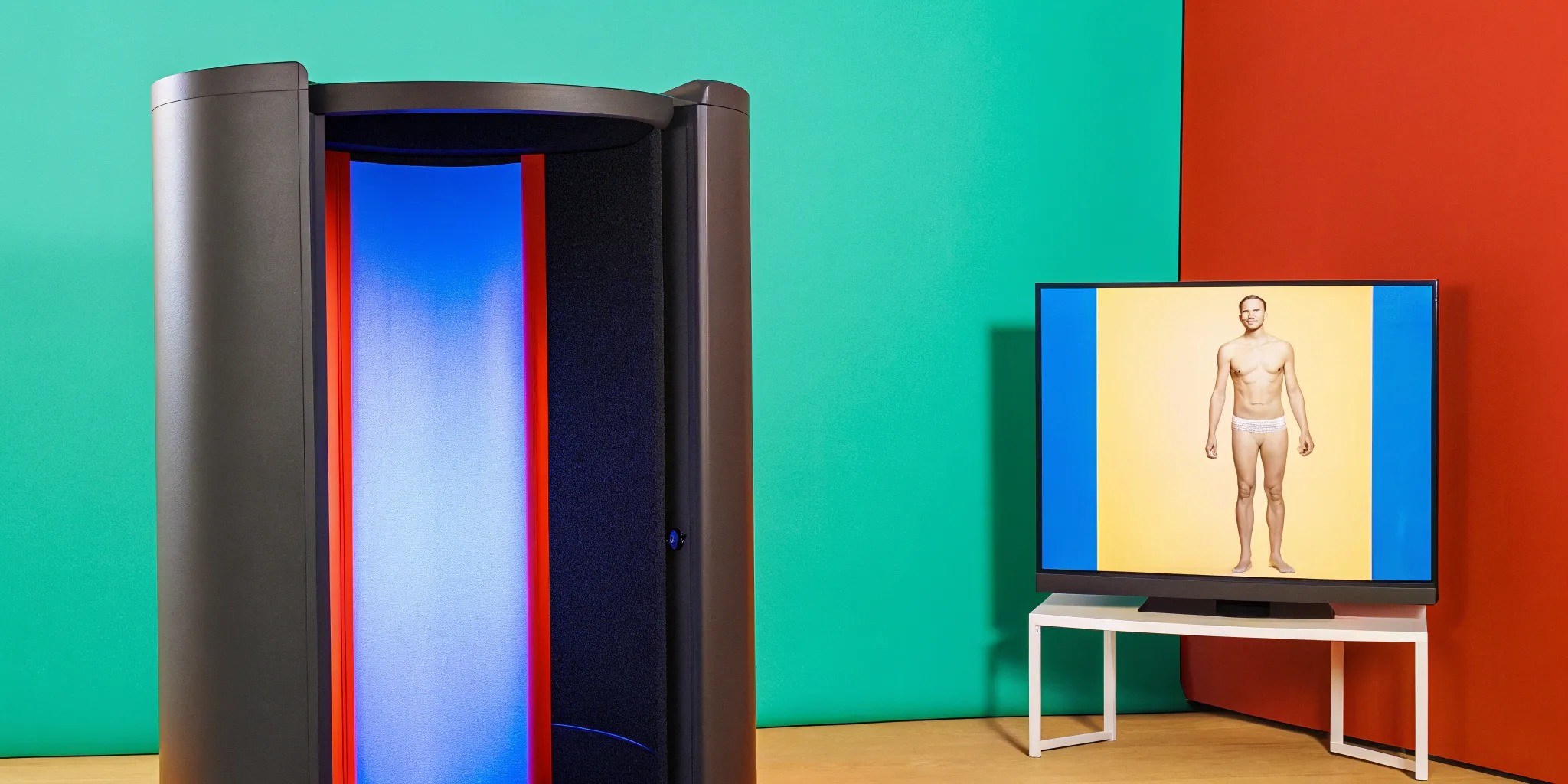
The technology behind body scanners varies by type. Medical devices like a closed MRI use powerful magnets and radio waves to create detailed cross-sectional images of organs and tissues. CT scans use a series of X-ray images to create a similar view. In the wellness space, 3D scanners work differently. They typically use a rotating platform and a set of infrared sensors to capture millions of data points from the body's surface. This data is then stitched together to create a precise digital avatar, which can be used to extract body measurements and calculate body composition. This non-invasive approach provides personal trainers and their clients with a visual and data-driven way to see change.
What Can a Body Scanner Measure?
A body scanner goes far beyond the simple number you see on a traditional scale. Instead of just measuring total weight, it provides a detailed look inside the body, breaking down what that weight is actually made of. This technology gives you and your clients a much clearer picture of their health, offering specific data points that are far more useful for setting goals and tracking real progress. From muscle gains to fat loss, these devices measure the changes that matter most.
Your Body Composition Breakdown
At its core, a body scanner measures body composition—the ratio of fat, muscle, and water in the body. Using advanced technology like bioelectrical impedance analysis (BIA) or 3D optical scanning, these devices can differentiate between fat mass and lean body mass. This is a critical distinction because two people can weigh the same but have vastly different health profiles. For clients in a weight management program, seeing their muscle mass increase while fat percentage drops is incredibly motivating, even if their total weight doesn’t change much at first. It provides concrete proof that their hard work is paying off in the right ways.
Key Health and Wellness Metrics
Beyond the basics of fat and muscle, many scanners provide a suite of other important health metrics. These often include Body Mass Index (BMI), visceral fat (the dangerous fat around your organs), total body water, and even bone mass. Some of the most advanced models can also assess vascular age and resting heart rate. For a medical spa or wellness center, offering clients this holistic view of their health adds immense value. It shifts the conversation from weight loss to overall wellness, helping clients understand the interconnectedness of their body’s systems and make more informed lifestyle choices.
Track Progress Over Time
One of the most powerful features of a body scanner is its ability to track changes over time. Technologies like 3D body scanning create a visual record of a client’s journey, showing exactly where they are losing fat and gaining muscle. This visual feedback is a game-changer for motivation. When clients can see a 3D model of their body transforming, it makes their progress feel tangible. This data allows personal trainers and health coaches to have more specific, meaningful discussions about what’s working and where to adjust their plan, fostering a stronger client relationship built on clear results.
Why Use a Body Scanner?
Body scanners offer a detailed look into your clients' health that a traditional scale simply can't provide. Instead of focusing on a single number, these devices capture a wealth of data about body composition, measurements, and physical changes. For wellness businesses, this technology is a powerful tool for creating personalized plans, demonstrating value, and keeping clients engaged for the long haul. By showing clients exactly how their hard work is paying off, you can build stronger relationships and drive better results.
The insights gained from a single scan can reframe a client's entire approach to their health, shifting the focus from weight loss to genuine body recomposition. This detailed assessment helps you, the professional, craft more effective strategies, whether you're a personal trainer, a nutritionist, or run a full-service health club. It transforms the conversation from guesswork to a data-driven partnership, which is exactly what modern clients expect. Using a body scanner elevates your service, providing a premium experience that sets you apart from competitors. It’s not just about collecting data; it’s about using that data to tell a compelling story of progress and to empower your clients on their wellness journey.

Get a Complete Health Snapshot
A body scan gives your clients a comprehensive baseline of their health and fitness. It moves beyond weight to reveal crucial metrics like body fat percentage, muscle mass, and specific body measurements. This detailed snapshot provides a much clearer picture of a person's starting point. For clients in a weight management program, seeing these numbers can be an eye-opener, helping them understand that health is about more than just pounds lost. It sets the stage for setting realistic, meaningful goals that are tied to tangible changes in their body composition, not just a number on the scale.
Receive Personalized Fitness Insights
The precise data from a 3D body scanner allows you to create truly customized wellness programs. With accurate measurements of different body tissues, you can tailor fitness and nutrition plans to a client's specific needs and goals. For personal trainers, this means designing more effective workouts that target specific areas for muscle gain or fat loss. For a health club, it means offering members data-driven guidance that adds significant value to their membership. This level of personalization shows clients you have a deep understanding of their unique body, building trust and improving outcomes.
Visualize Progress to Stay Motivated
One of the biggest challenges in any fitness journey is staying motivated. Body scanners help solve this by making progress visible. Seeing a 3D model of their body transform over time is incredibly powerful for clients. It provides tangible proof that their efforts are working, even when the scale doesn’t move. This visual feedback is far more inspiring than a simple chart of numbers. When clients can clearly see their progress, they are more likely to remain committed to their goals and, in turn, to your business. It’s a fantastic tool for client retention.
Identify Potential Health Issues Early
While body scanners are not diagnostic tools, they can highlight trends that may inform a client's overall wellness strategy. For instance, a scan can measure visceral fat—the fat surrounding internal organs—which is linked to certain health risks. It can also identify muscular imbalances or asymmetries. Bringing these data points to a client's attention can open up important conversations about lifestyle adjustments. For businesses like medical spas, this information can help guide clients toward services and habits that support long-term health, positioning your business as a proactive partner in their well-being.
How Accurate Are Body Scanners?
When you invest in technology for your business, you need reliable results. The accuracy of body scanners is a common question, but the answer isn't a simple yes or no. While some scanners provide a solid estimate of body fat percentage, their primary strength is tracking change over time. The real value for your clients comes from establishing a baseline and consistently measuring progress against it. A high-quality scanner provides the detailed, repeatable data needed to show clients their hard work is paying off, keeping them engaged and motivated.
How They Compare to DEXA Scans
DEXA (Dual-Energy X-ray Absorptiometry) is often called the "gold standard" for measuring body composition. It uses X-rays to differentiate between bone, fat, and lean mass. While highly accurate, DEXA scans are expensive, require a specialized facility, and involve low levels of radiation, making them impractical for regular check-ins at a health club. A 3D body scanner might report a different body fat percentage than a DEXA scan, but its strength is providing extremely precise and repeatable measurements to reliably detect small changes over time.
What Affects a Scan's Precision?
Several factors can influence a scan's results, so creating a standardized process is key. For 3D scanners, consistency in lighting, posture, and clothing ensures each scan is comparable to the last. For bioelectrical impedance (BIA) devices, internal factors like hydration, recent meals, and exercise can alter readings significantly. In contrast, 3D scanners offer a more stable method by focusing on external measurements, providing reproducible and reliable data that is less affected by these daily fluctuations.
Consistency vs. Accuracy: What Matters More?
For fitness professionals, consistency is more valuable than absolute accuracy. Think of it this way: if a scale is always three pounds heavy but consistently shows you’ve lost five pounds, it’s still an effective tool. The same principle applies to body scanners. Your clients need to see that their program is working. A precise, repeatable scanner allows you to track trends in body fat, lean mass, and circumference measurements. This data-driven feedback is incredibly powerful for personal trainers and their clients, validating their efforts and building trust.
Common Misconceptions About Body Scanners
Body scanners offer incredible insights into health and fitness, but they're also surrounded by a lot of confusion. As a business owner, understanding the nuances of this technology helps you set clear expectations for your clients and use the data effectively. When clients understand what their scan results mean—and what they don't—they're more likely to stay engaged and trust your guidance. Let's clear up a few common myths so you can speak about body scanning with confidence.
Myth: All Scanners Are Equally Accurate
It’s easy to assume that any machine labeled a "body scanner" will provide the same level of accuracy, but that’s not the case. Different types of body scanners use vastly different technologies, from bioelectrical impedance analysis (BIA) to 3D optical scanning and DEXA. Each method has its own strengths and margin of error. As one analysis puts it, some "body fat testing machines are not very accurate at all." This is why choosing a scanner backed by solid technology and validation studies is so important for professional use. The goal is to provide your clients with reliable data that reflects real change.
Myth: Body Fat Readings Are Always Exact
Even the most advanced, medical-grade body scanners have a margin of error. It’s simply not possible to know someone's body fat percentage with 100% certainty without an autopsy. As the makers of the Evolt 360 note, while their device is scientifically validated, "it’s impossible to know one’s body fat percent with 100% absolute accuracy." This is a critical point to communicate to clients. Instead of focusing on a single, absolute number, the real value lies in tracking trends over time. A high-quality scanner provides consistent, repeatable measurements, which is what truly matters for monitoring progress.
Myth: Results Are the Same on Every Device
If a client gets a DEXA scan at a clinic and then uses your in-house 3D scanner, they shouldn't expect the numbers to match perfectly. Different devices will produce different results because they use different measurement techniques. For example, a Styku scan might show a different body fat percentage than a DEXA scan. This doesn't mean one is "wrong." The key is consistency. As long as a client uses the same device under similar conditions for each scan, you can reliably track their progress. This repeatability is the foundation of effective, data-driven wellness coaching.
What to Look For in a High-Quality Body Scanner
Choosing a body scanner for your wellness business is about more than the price tag. The right machine can become a cornerstone of your client experience, providing valuable data that drives results and builds loyalty. Let's break down the key factors to consider, from the core technology to the features that will make a real difference for your clients and your bottom line.
Advanced Imaging Technology
The engine of any body scanner is its imaging technology. Look for a device using advanced 3D scanning to capture a detailed picture of the body. Unlike simpler methods, 3D scanners provide automated measurements of different body tissues. Studies show this technology offers reproducible and reliable data, the foundation of credible progress tracking. For businesses like medical spas, offering this precision is a key differentiator that attracts clients who expect the best.
Speed and User Experience
In a busy clinic or gym, time is a valuable resource. A slow or complicated scanner creates bottlenecks and frustrates staff and clients. Look for a machine with a quick, seamless scanning process. The user experience should be intuitive, guiding the client with minimal staff intervention. A smooth, professional experience reinforces your service's value. The best way to evaluate this is to book a demo and see the machine in action.
Precision and Reliability
When clients track their progress, consistency is key. You need a scanner that delivers precise and reliable results with every use. Precision means the scanner can produce the same measurement repeatedly, which is crucial for showing small but meaningful changes. This reliability builds client confidence and proves your programs are effective. For health clubs, a tool that dependably tracks progress is essential for keeping members engaged and motivated.
Features for Professional Use
Beyond the scan, consider the software and features. A high-quality scanner for professional use should offer more than raw numbers. Look for features like easy-to-understand client reports, progress-tracking visuals like 3D avatars, and secure data management. These tools help you deliver a personalized experience. For weight management centers, visually demonstrating changes can be a powerful motivator that keeps clients invested in their program.
What Are the Limitations of Body Scanners?
Body scanners are powerful tools for tracking health and fitness, but they aren't magic. Like any technology, they have limitations. Understanding these boundaries is key to using them effectively and setting realistic expectations for your clients. For wellness professionals, knowing the full picture helps you make a smarter investment and provide better guidance. It allows you to explain the data confidently and position your scanner as a tool for tracking progress over time, not as an infallible diagnostic machine. From cost considerations to the nuances of the technology itself, let's look at some of the key limitations to keep in mind.
The Cost of a Body Scanner
The cost of a full-body scan can vary quite a bit, depending on the technology used. For your business, purchasing a scanner is an investment. Prices for professional-grade equipment range from a few thousand dollars to tens of thousands, influenced by the scanner's technology, accuracy, and software features. While the initial cost can seem high, it's helpful to frame it in terms of the value it adds to your services. A high-quality scanner can become a cornerstone of your client experience, driving retention and attracting new members who are serious about their goals. It can be offered as a premium add-on or included in top-tier memberships, creating a new revenue stream that helps offset the initial investment.
Limitations of the Technology
It's important to distinguish between wellness scanners and medical diagnostic tools. Medical scanners like CTs or MRIs are powerful but come with potential risks. As some experts note, whole-body scans can sometimes cause more harm than good if used without a specific medical reason, leading to false positives and unnecessary anxiety. Wellness scanners, on the other hand, are designed for tracking body composition and fitness progress, not diagnosing disease. Their main limitation isn't risk, but rather the need for consistency. The goal is to provide reliable trend data over time, helping clients see how their diet and exercise habits are paying off, rather than providing a single, perfect measurement.
How Environment Affects Your Scan
The setting and circumstances of a scan can significantly influence the results. Think about the difference between an open and a closed MRI; the machine's design affects both patient comfort and image quality. While wellness scanners don't involve capsules, the principle holds: the environment matters. Factors like a client's hydration level, whether they've just exercised, the time of day, and even the clothes they wear can alter body composition readings. To get the most reliable data, you need to create a consistent scanning protocol. Advise clients to scan at the same time of day, before working out, and wearing minimal, form-fitting clothing to ensure their progress charts are as accurate as possible.
A Look at the Top Body Scanner Brands
When you start looking into body scanners, you'll find a few key players that consistently come up. Each brand has carved out a niche by focusing on different technologies and user needs, from professional-grade clinical tools to smart scales for your bathroom. Understanding what makes each one unique can help you decide which scanner aligns with your business goals and your clients' expectations. Let's look at four of the top brands in the body scanning space.
ShapeScale: 3D Body Scanning
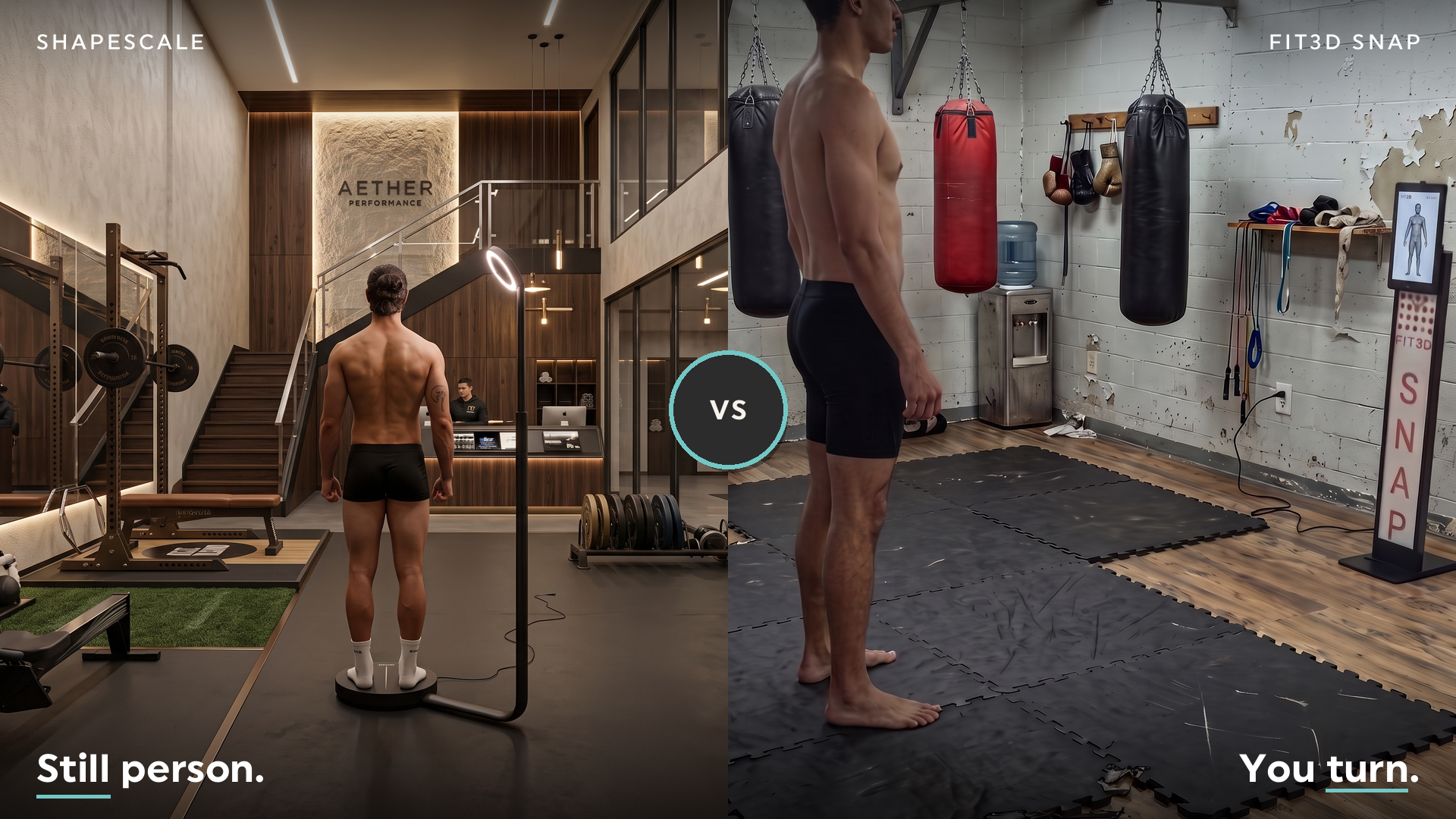
ShapeScale offers a 3D body scanner that creates a photorealistic model of a person's body, providing detailed measurements of body shape and composition. It’s a popular choice for wellness businesses because it delivers powerful technology and valuable features at a mid-range price point. This makes advanced scanning accessible without a massive upfront investment. For businesses like health clubs and weight management centers, the visual progress reports are a huge asset for keeping clients motivated. The ability to see subtle changes in their 3D model helps clients stay engaged and committed to their programs.
InBody: Bioelectrical Impedance
InBody is a leader in bioelectrical impedance analysis (BIA). Its devices send a small, safe electrical current through the body to measure body composition, including muscle mass, body fat, and water levels. These machines are widely used by healthcare professionals, fitness trainers, and nutrition experts who need precise data to inform their recommendations. While they don't provide a visual 3D model, InBody's technology offers a deep dive into a person's internal health metrics. This makes it a go-to for clinical settings or high-performance gyms where detailed composition analysis is the primary goal.
Withings: Smart Body Analyzers
Withings focuses on the consumer market with its range of smart body analyzers. These devices look like sleek, modern bathroom scales but do much more than measure weight. They provide insights into body fat percentage, muscle mass, and Body Mass Index (BMI). A key feature of Withings products is their seamless integration with health and fitness apps on your smartphone. This makes it incredibly easy for individuals to track their progress over time without needing to visit a professional. While not designed for commercial use, they are a great example of how body composition technology has become accessible to everyone.
Fit3D: Professional Scanners
Fit3D provides professional-grade 3D body scanning technology designed to help fitness businesses attract and retain members. Like ShapeScale, it creates a 3D avatar and provides comprehensive body measurements. Fit3D markets its system as a powerful tool for client engagement, using visualizations to help members track their progress and set effective fitness goals. By offering a compelling visual journey, gyms and personal training studios can provide a premium experience that helps clients see the value in their hard work, which is a fantastic way to build long-term loyalty.
How Much Do Body Scanners Cost?
The price of a body scanner can range from under a hundred dollars to tens of thousands. The cost depends entirely on the technology inside the machine and who it's designed for. A simple smart scale for your bathroom has a very different price tag than a clinical-grade 3D scanner for a wellness center. Understanding the different tiers of pricing will help you determine what kind of investment makes sense for your personal goals or your business needs.
Pricing for At-Home Scanners
If you're looking for a personal device, you'll find plenty of options. A quick search on Amazon reveals over 10,000 different 'body scan' products, with prices starting as low as $20. Most of these devices are smart scales that use bioelectrical impedance analysis (BIA) to estimate body composition. While they are accessible and easy to use for tracking general trends at home, they typically offer lower accuracy and fewer insights compared to professional-grade equipment. They are a great starting point for personal wellness tracking but aren't designed for the detailed analysis required in a professional setting.
Investing in a Professional Scanner
For fitness and wellness businesses, a body scanner is a strategic investment. Professional-grade scanners, like the 3D body scanning technology from Fit3D, are designed to help you attract new clients, keep them engaged longer, and grow your revenue. These machines provide the kind of detailed, visual, and reliable data that clients can't get at home. By offering a premium service that clearly demonstrates the value of your programs, you create a powerful tool for motivation and retention. The initial cost is higher, but the return on investment comes from enhanced client results, increased loyalty, and a distinct competitive advantage.
What Influences the Price?
Several factors determine a body scanner's price tag. The core technology is the biggest driver—a simple BIA scale is far less expensive than a machine offering precise 3D imaging. The scanner's accuracy and reliability also play a huge role; machines that provide reproducible and accurate data command a higher price. Beyond the hardware, consider the software. Features like client progress reports, 3D avatars, and integration with other platforms add value and cost. For many wellness businesses, mid-range scanners offer a great balance, providing robust features without the top-tier price.
How to Choose the Right Body Scanner
Selecting the right body scanner comes down to understanding your specific needs, whether you're tracking personal progress or providing a premium service for clients. The best machine for a health club or medical spa will have different features than one designed for home use. Before you start comparing models, take a step back and think about your primary goals. Are you looking for a simple way to monitor your own body fat percentage, or do you need a sophisticated tool to help clients visualize their transformation and stay motivated? Who will be using the scanner, and what kind of data is most valuable to them? Answering these questions will help you filter through the options and find a device that delivers the insights you need without overcomplicating the process or your budget. The market offers a wide range of technologies, from bioelectrical impedance analysis (BIA) scales to full 3D infrared scanners. Each has its own strengths, so defining your non-negotiables from the start is the key to making a smart choice. It's about matching the technology to your purpose to ensure you get the most out of your investment, creating a better experience for you or your clients.
For Your Business vs. Personal Use
If you're buying a scanner for personal use, your priorities might be cost, ease of use, and basic body composition metrics. For a business, the calculation is different. You need a durable machine that can handle frequent use and provide reliable, detailed data for your clients. Features like client management software, progress visualization, and marketing support become much more important. Mid-range scanners often hit the sweet spot for many wellness businesses, offering solid technology and valuable features without the premium cost of clinical-grade equipment. The goal is to invest in a tool that enhances your services and provides a clear return.
Considering Your Budget and Space
Body scanners are a significant investment, with prices ranging from a few hundred dollars for home scales to tens of thousands for professional 3D systems. Before you start shopping, define your budget. For a business, consider the scanner's potential to attract and retain clients when calculating its value. Beyond the initial cost, think about the physical footprint. Where will the machine live? Make sure you have enough space for the scanner and for clients to use it comfortably. While the price tag can be high, professional 3D scanners provide reproducible and accurate data that can set your business apart and justify the investment.
How to Prioritize Features
Not all scanners are created equal, and different models prioritize different things. Some machines offer highly detailed images but can feel confining or slow. Others prioritize comfort and speed, which might slightly affect image quality. Think about what matters most to your clients. Do they need clinical-grade body fat percentages or are they more motivated by visual changes? Look for features that align with your services. For example, a personal trainer will want robust progress tracking and 3D avatars, while a weight management clinic might prioritize precise circumference measurements and body composition analysis. Make a list of must-have features to guide your search.
Frequently Asked Questions
How is a professional 3D scanner different from the smart scales my clients use at home? While smart scales offer a convenient estimate of body composition using bioelectrical impedance, a professional 3D scanner provides a much richer and more reliable dataset. It creates a detailed visual avatar of your client's body, offering precise circumference measurements and a visual record of their transformation. This level of detail is far more motivating and allows you to tailor programs with a higher degree of personalization than a simple home scale ever could.
My clients get discouraged when the scale doesn't move. How does a body scanner help with this? This is one of the most powerful applications of a body scanner. A traditional scale only shows total weight, but a scanner reveals what that weight is made of. When a client is strength training and eating well, they might be losing fat while gaining muscle. The number on the scale might not budge, but a body scan will clearly show a decreasing body fat percentage and increasing lean mass. This provides concrete proof that their hard work is paying off in meaningful ways, which is a huge boost for motivation.
What's more important for my business: a scanner's accuracy or its consistency? For tracking client progress, consistency is far more valuable than absolute accuracy. No scanner can tell you someone's body fat percentage with 100% certainty. What matters is that the scanner produces the same result under the same conditions every single time. This reliability allows you to track trends and show clients small, meaningful changes over their journey. A consistent tool builds trust and validates the effectiveness of your programs.
How do I create a reliable scanning process for my clients? To get the most consistent results, you should standardize your scanning protocol. Advise clients to scan at the same time of day for each check-in, preferably in the morning before they have eaten or exercised. They should also wear the same type of minimal, form-fitting clothing for every scan. Simple factors like hydration and recent activity can influence readings, so creating a consistent routine is the best way to ensure you're tracking true progress.
Will a body scanner actually help my business make more money? Yes, it can be a significant driver of revenue and client retention. You can position body scanning as a premium service, include it in higher-tier membership packages, or use it as a powerful tool during initial consultations to demonstrate value. When clients can visually see their progress, they are more likely to stay committed to their programs and your business for the long term. It sets you apart from competitors by offering a data-driven, personalized experience that delivers clear results.