The Complete Guide to Becoming a Nurse Injector

Heading 2
Heading 1
Heading 3
Heading 4
Heading 5
Heading 6
Lorem ipsum dolor sit amet, consectetur adipiscing elit, sed do eiusmod tempor incididunt ut labore et dolore magna aliqua. Ut enim ad minim veniam, quis nostrud exercitation ullamco laboris nisi ut aliquip ex ea commodo consequat. Duis aute irure dolor in reprehenderit in voluptate velit esse cillum dolore eu fugiat nulla pariatur.
Block quote
Ordered list
- Item 1
- Item 2
- Item 3
Unordered list
- zz
- Item B
- Item C
Bold text
Emphasis
Superscript
Subscript
The market for minimally invasive cosmetic procedures continues to expand, creating a strong demand for skilled practitioners. Clients are increasingly looking for effective, non-surgical options to address their aesthetic goals, and they want these services from credible medical professionals. This trend places nurse injectors at the center of the modern aesthetics industry. As registered nurses with specialized training in treatments like neurotoxins and dermal fillers, they are uniquely positioned to meet this demand safely and professionally. For any medical spa or clinic looking to grow, incorporating qualified nurse injectors is no longer an option but a necessity for staying competitive and relevant.
Key Takeaways
- A Nurse Injector is a Medical Professional First: Their rigorous qualifications, including an RN license and specialized clinical training, ensure a high standard of patient safety and add significant credibility to your practice.
- The Role Involves Comprehensive Client Management: A skilled nurse injector handles the entire patient journey—from initial consultation and education to the procedure and follow-up—which is essential for building client trust and loyalty.
- Technology Improves Precision and Client Trust: Integrating tools like 3D body scanning allows for data-driven treatment planning and provides clients with objective, visual proof of their results, improving satisfaction and retention.
What Is a Nurse Injector?
A nurse injector is a registered nurse (RN) or advanced practice registered nurse (APRN) who specializes in providing cosmetic treatments. These aesthetic nurses complete additional training to administer non-surgical procedures aimed at enhancing a patient's appearance. Their primary focus is on cosmetic injectables like Botox and dermal fillers, which help reduce wrinkles and restore volume to the face. The role requires a unique blend of medical knowledge and artistic skill. As one publication explains, a nurse injector is a special type of aesthetic nurse with extra training to give cosmetic treatments to patients who want to look better.
They are a key asset in settings like medical spas, dermatology clinics, and plastic surgery offices, often collaborating with physicians and other skincare professionals. Their expertise in patient care, combined with specialized aesthetic education, allows them to provide safe and effective treatments that meet client goals. For a wellness business, hiring a skilled nurse injector can significantly expand service offerings and attract a clientele seeking minimally invasive cosmetic procedures. This specialization has become a popular and respected career path for nurses looking to transition into the growing field of medical aesthetics, bringing a high level of professionalism and safety to the industry.
Key Responsibilities
The responsibilities of a nurse injector extend well beyond simply administering injections. A core part of their job involves patient consultation. They meet with clients to discuss their aesthetic goals, evaluate their suitability for certain procedures, and create personalized treatment plans. According to Nursing CE Central, a nurse injector’s role includes talking to patients about their options, teaching them about procedures, and providing follow-up care. In addition to Botox and dermal fillers, their scope of practice can include other popular treatments like laser hair removal, chemical peels, and non-invasive body contouring procedures. This comprehensive approach ensures clients are well-informed and cared for throughout their aesthetic journey.
Nurse Injectors vs. Other Aesthetic Professionals
While many professionals work in the aesthetics industry, nurse injectors bring a distinct level of medical expertise to the table. Their background as registered nurses provides them with a solid foundation in anatomy, physiology, and patient safety protocols. This clinical knowledge is what sets them apart. They are not just technicians; they are highly educated professionals with a deep understanding of skin, facial anatomy, and cosmetic products. This expertise allows them to assess clients holistically and recommend treatments that are both safe and effective. Often, these injectable treatments are part of a larger anti-aging plan that might include other services offered at a medical spa or clinic, ensuring a comprehensive approach to client wellness.
Qualifications for a Nurse Injector
Becoming a nurse injector involves a demanding path of education, training, and hands-on experience. This isn't a weekend certification; it's a specialized career built on a solid foundation of medical knowledge and clinical skill. For any medical spa or wellness center, understanding these qualifications is key to hiring a professional who can deliver safe, effective, and high-quality care. When you bring a new injector onto your team, you're not just adding a service—you're entrusting them with your clients' health and your business's reputation. The right candidate will have a specific blend of formal education, specialized aesthetic training, and relevant work history in a clinical setting. This combination ensures they have the expertise to handle cosmetic treatments responsibly, manage client expectations, and navigate any potential complications with confidence. Knowing what to look for on a resume helps you filter for top-tier talent and build a team that inspires client trust and loyalty from the very first consultation. Let's break down the three core pillars of a qualified nurse injector: their formal education and license, their specialized aesthetic training, and their required clinical background.
Education and Licensing
The journey to becoming a nurse injector starts with a formal nursing education. The standard requirement is a Bachelor of Science in Nursing (BSN) degree from an accredited institution. This four-year degree provides a comprehensive background in patient care, anatomy, pharmacology, and clinical practice. After earning their BSN, graduates must pass the national licensure exam, known as the NCLEX-RN, to become a Registered Nurse (RN). This license is the essential credential that allows them to practice nursing legally. It’s the non-negotiable first step and the bedrock upon which all other aesthetic qualifications are built.
Specialized Training and Certifications
After becoming a licensed RN, the next step is to gain specialized training in cosmetic injectables. This goes far beyond standard nursing education and focuses on the art and science of aesthetic procedures. This training typically includes hands-on workshops where nurses learn injection techniques for neurotoxins and dermal fillers under the supervision of experienced professionals. While not always required, obtaining certification from an organization like the Plastic Surgical Nursing Certification Board (PSNCB) can significantly strengthen a nurse’s credentials. This certification demonstrates a high level of expertise and a commitment to the specialty, making a candidate more attractive to employers and clients.
Required Clinical Experience
Practical experience is just as important as formal training. Most states and employers require nurse injectors to have a certain amount of clinical experience before they can practice independently. This usually means at least two years of nursing experience in a core specialty related to aesthetics, such as plastic surgery, dermatology, or ophthalmology. During this time, the nurse works under the supervision of a board-certified physician, honing their skills and understanding of patient care in a relevant setting. This hands-on experience ensures the nurse is prepared not only to perform injections but also to assess patients, manage complications, and provide comprehensive care.
The Work Environment of a Nurse Injector
A nurse injector’s work environment is a blend of clinical precision and client-focused care. They operate in settings where aesthetics and medicine intersect, requiring a unique combination of technical skill, artistry, and interpersonal communication. For business owners, understanding this environment is key to integrating these professionals successfully into your practice and ensuring a high standard of care for your clients. The role is dynamic, involving much more than just administering injections; it's about building trust and delivering results in a safe, professional setting.
Common Workplaces
Nurse injectors are most often found in private plastic surgery offices, dermatology clinics, and medical spas. Each setting offers a slightly different atmosphere. A plastic surgery or dermatology practice is typically more clinical, focusing on medical-grade treatments and procedures. In contrast, a medical spa often combines clinical treatments with a more relaxed, wellness-oriented experience. This variety allows nurse injectors to find a workplace that aligns with their professional style, whether they prefer a fast-paced medical office or a serene spa environment. The common thread is a focus on elective, aesthetic procedures for clients seeking cosmetic enhancements.
A Day in the Life: Responsibilities and Client Care
A typical day for a nurse injector is structured around patient appointments and consultations. The day often begins by reviewing the schedule and preparing for each client by studying their notes and treatment plans. The core of the day involves direct patient interaction: discussing goals, explaining procedures, managing expectations, and performing treatments. Following the procedure, the nurse provides detailed after-care instructions to ensure the best possible outcome. Meticulous charting and record-keeping are also critical components, documenting every aspect of the treatment for safety and continuity of care. It's a role that demands organization, empathy, and clear communication.
Administering Treatments and Ensuring Safety
The primary function of a nurse injector is to safely administer cosmetic injectables like neurotoxins and dermal fillers. This requires a deep understanding of facial anatomy, product science, and injection techniques. Beyond the procedure itself, a significant part of the role involves patient education. Nurse injectors consult with clients to discuss their aesthetic goals, recommend appropriate treatments, and explain the potential risks and benefits. A comprehensive knowledge of skin science and other cosmetic procedures, such as laser treatments or chemical peels, is essential for providing holistic care and ensuring client safety and satisfaction.
Nurse Injector Salary and Career Outlook
A career as a nurse injector can be both professionally fulfilling and financially rewarding. As demand for non-surgical cosmetic treatments grows, the earning potential and career opportunities in this specialized field are expanding. Understanding the salary landscape and growth trajectory helps you map out a successful career path, whether you're just starting or looking to take your skills to the next level. The combination of nursing expertise and artistic skill makes this role a unique and valuable asset in any aesthetic practice.
Average Salary by Experience Level
The average salary for a nurse injector in the United States typically falls between $75,000 and $95,000 per year. This figure, however, can vary significantly based on your experience. An injector new to the field might start with a salary closer to $60,000. As you gain experience, build a loyal client base, and master advanced techniques, your earning potential increases, with seasoned professionals often earning well over $100,000 annually. This growth reflects the value of expertise and a trusted reputation in the aesthetics industry, as detailed in this Aesthetics Nurse Salary and Career Guide.
Factors That Influence Pay
Several key factors beyond experience can influence your salary. Geographic location is a major one; nurse injectors working in large metropolitan areas with a higher cost of living and greater demand for aesthetic services often command higher salaries. The type of practice you work in also plays a role. A position at a prestigious plastic surgery center may offer a different compensation package than one at a smaller medical spa. Your specific skill set is another critical factor. An injector certified in a wide array of treatments, from neurotoxins to advanced dermal fillers, is a more valuable asset. Many nurses also increase their income potential by eventually opening their own practices.
Job Growth and Opportunities
The career outlook for nurse injectors is exceptionally strong. The growing public interest in non-invasive and minimally invasive cosmetic procedures fuels a high demand for skilled practitioners. This is a career with clear pathways for advancement. Experienced injectors can move into senior roles, becoming a lead injector, a clinic manager, or a clinical trainer for product manufacturers. Many also leverage their expertise to become consultants or open their own medical spas. This field offers a unique blend of autonomy, patient interaction, and technical skill, providing a stable and rewarding long-term career.
Common Challenges for Aspiring Nurse Injectors
Becoming a nurse injector is an exciting career path, but it comes with a unique set of challenges. The journey requires significant investment, a clear understanding of legal frameworks, and strong interpersonal skills to manage client relationships. Knowing these hurdles ahead of time can help you prepare for a successful transition into the aesthetics field. From securing that first job to navigating the complexities of patient care, being aware of the potential obstacles is the first step toward overcoming them. This awareness is just as valuable for medical spa owners and practice managers looking to hire and support new talent.
Overcoming Training Costs and Finding an Employer
One of the biggest initial hurdles is the cost of training and the difficulty of finding an employer willing to invest in a new injector. Certification courses can cost thousands of dollars, and this expense typically falls on the nurse. For employers, bringing on an injector with no experience is a significant financial risk, as they often have to pay for advanced training and absorb the costs of a slower patient load. This is why many medical spas and clinics prefer to hire nurses who already have a foundational certification and some hands-on experience, creating a classic catch-22 for those just starting out.
Understanding State Regulations and Experience Hurdles
The rules governing nurse injectors vary significantly from one state to another. Each state has its own regulations regarding scope of practice, supervision requirements, and necessary certifications. Aspiring injectors must research their state’s specific laws to ensure they practice legally and safely. Additionally, most employers require at least two years of clinical nursing experience, preferably in a related field like dermatology, plastic surgery, or ophthalmology. This prerequisite ensures you have a strong clinical foundation before moving into the specialized, autonomous environment of aesthetic medicine, where critical thinking and patient assessment skills are paramount.
Managing Patient Expectations and Risks
While the world of aesthetics can seem glamorous, the reality involves managing complex patient expectations and potential risks. Not every client will be completely satisfied, and complications like bruising, asymmetry, or adverse reactions can occur. A successful nurse injector must be skilled at conducting thorough consultations, setting realistic goals, and communicating potential outcomes clearly. This requires a deep understanding of facial anatomy, skin science, and the specific properties of different injectables and treatments. Building trust and ensuring patient safety are the cornerstones of a reputable practice, turning a good injector into a great one.
A Look at Common Cosmetic Treatments
As a nurse injector, you'll perform some of the most in-demand aesthetic procedures. Your expertise will extend beyond just administering injections; you'll consult with clients, educate them on their options, and provide follow-up care to ensure they achieve their desired results. The treatments you offer are central to the success of businesses like medical spas and wellness clinics. Understanding the most common procedures is the first step toward mastering your craft and building a loyal client base. These services require a blend of medical knowledge and artistic skill to deliver safe, effective, and natural-looking outcomes.
Neurotoxin Injections (e.g., Botox)
Neurotoxin injections are a cornerstone of the aesthetic industry. A nurse injector is a registered nurse who specializes in administering these treatments, with Botox being the most recognized brand. These injections work by temporarily relaxing facial muscles, which softens the appearance of dynamic wrinkles like crow's feet and frown lines. Your role involves assessing facial anatomy, determining the correct dosage, and precisely placing the injections to achieve a smoother, more youthful look for your clients. This procedure is highly sought after for its effectiveness and minimal downtime, making it a foundational skill for any aspiring nurse injector.
Dermal Fillers for Volume Restoration
While neurotoxins relax muscles, dermal fillers add volume. As a nurse injector, you'll use fillers like Juvederm to restore lost volume, smooth out static wrinkles, and enhance facial contours in areas like the cheeks and lips. These treatments are a key part of a comprehensive anti-aging strategy. According to Nurse.Org, nurse injectors administer a range of treatments including dermal fillers, Botox, and other non-invasive procedures. Mastering fillers requires a deep understanding of facial anatomy and an artistic eye to create balanced, natural results that align with each client’s unique features and aesthetic goals.
Laser and Body Contouring Procedures
Your skills as a nurse injector can extend beyond injectables. Many nurses in this field also perform laser treatments for hair removal or skin resurfacing and non-invasive body contouring procedures. These services broaden your professional capabilities and allow you to offer more comprehensive treatment plans. You will consult with patients about their options, explain the procedures, and manage their follow-up care. Offering services like non-invasive body shaping is particularly valuable for weight management centers and health clubs, helping clients achieve their body composition goals alongside their fitness and wellness efforts.
Using Technology to Refine Your Practice
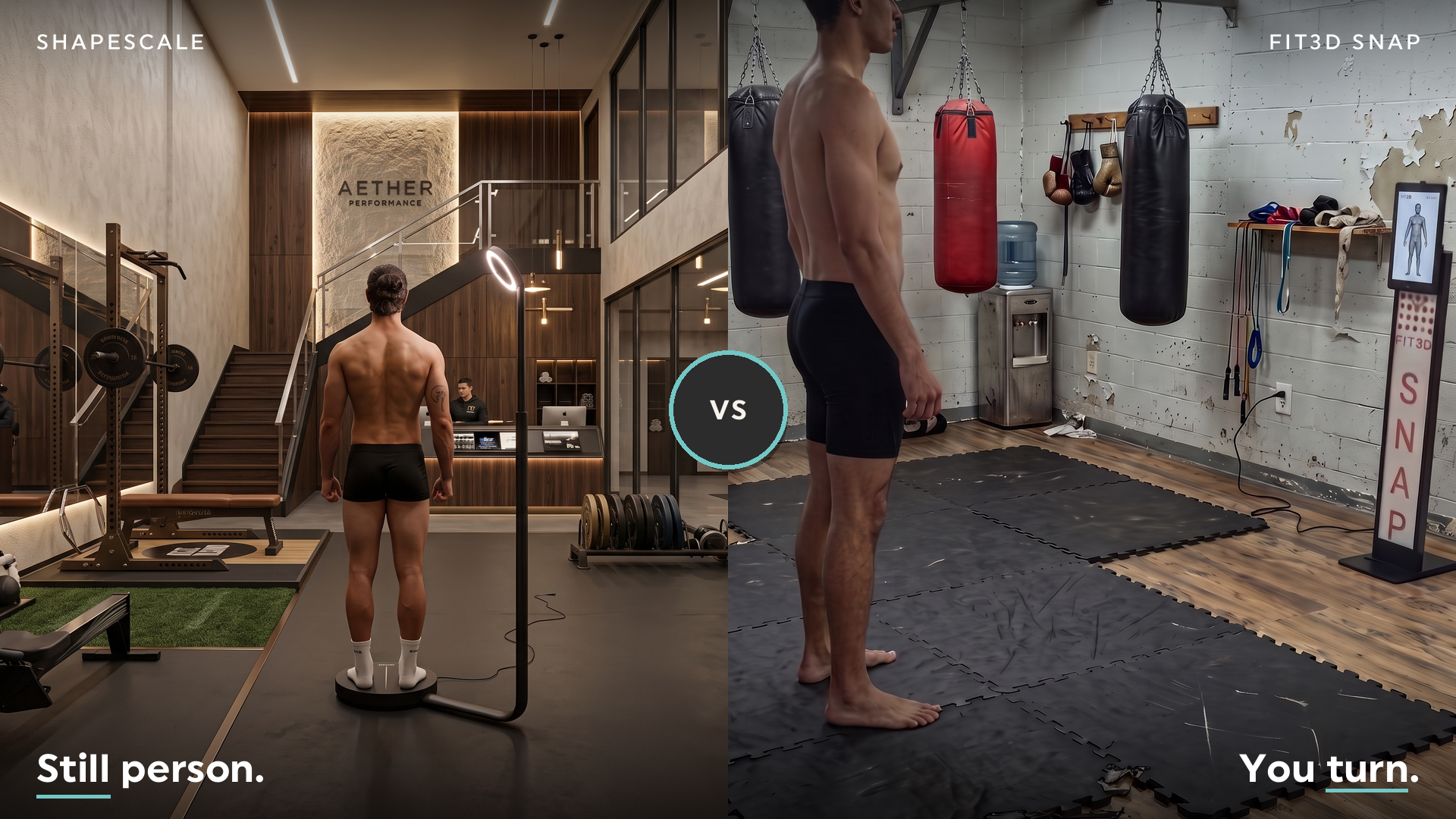
Technology is creating new opportunities for nurse injectors to deliver exceptional, personalized care. Integrating advanced tools into your practice can streamline your workflow, improve client communication, and provide objective data to support your treatment plans. One of the most impactful technologies in the aesthetics field is 3D body scanning. It moves beyond traditional photos and measurements, offering a comprehensive and precise way to plan treatments, monitor progress, and demonstrate results. By adopting these tools, you can provide a higher standard of care and build a more successful practice.
Plan Treatments with 3D Body Scanning
Precision is everything in aesthetic medicine. 3D body scanning gives you a detailed, accurate map of your client's anatomy, allowing you to create highly personalized treatment plans. Instead of relying solely on 2D photos, you can analyze contours, volume, and symmetry from every angle. This level of detail helps you identify the most effective injection sites and treatment approaches for each individual's unique features. For medical spas, this means delivering more targeted, effective interventions that align perfectly with client goals. It takes the guesswork out of planning and replaces it with data-driven confidence, ensuring your treatments are tailored for optimal outcomes from the very beginning.
Digitize Consultations and Track Progress
A successful consultation sets the stage for the entire client relationship. 3D body scanning transforms this process by making it more interactive and transparent. You can show clients a visual, three-dimensional model of the treatment area, helping them understand your recommendations and set realistic expectations. This digital record also serves as a precise baseline for tracking progress. After each session, a new scan can be compared to previous ones, providing clear, objective evidence of change over time. This visual feedback is incredibly powerful for keeping clients engaged and motivated. You can book a demo to see how this technology works firsthand.
Measure Outcomes and Engage Clients
Demonstrating the value of your work is essential for client retention and referrals. 3D scanning provides a powerful way to measure outcomes with objective data. You can precisely quantify changes in volume, circumference, and contour, offering clients concrete proof of their results. This data-backed approach builds trust and reinforces their decision to invest in your services. Sharing these visual progress reports helps clients see the effectiveness of their treatments, which enhances satisfaction and strengthens the practitioner-client relationship. For businesses focused on weight management, this level of detailed tracking is invaluable for showcasing the impact of your procedures.
How to Launch Your Nurse Injector Career
Transitioning into the aesthetics field is a strategic move that requires a solid foundation of medical expertise, specialized skills, and professional connections. The path from a registered nurse to a sought-after nurse injector involves several distinct phases, each building upon the last. You’ll start by grounding yourself in relevant clinical settings, where you can hone the core nursing skills that are indispensable in aesthetics. This hands-on experience provides the anatomical knowledge and patient care instincts that can't be learned from a textbook alone.
From there, you’ll move into specialized training, where you’ll learn the art and science behind cosmetic injectables. This is where you’ll master techniques for products like Botox and dermal fillers and learn the nuances of facial anatomy and patient assessment. Finally, you’ll need to immerse yourself in the industry. Building a strong professional network and committing to lifelong learning are critical for long-term success. The aesthetics field is constantly evolving, with new products and techniques emerging all the time. By connecting with peers, finding mentors, and staying curious, you can build a thriving and rewarding career.
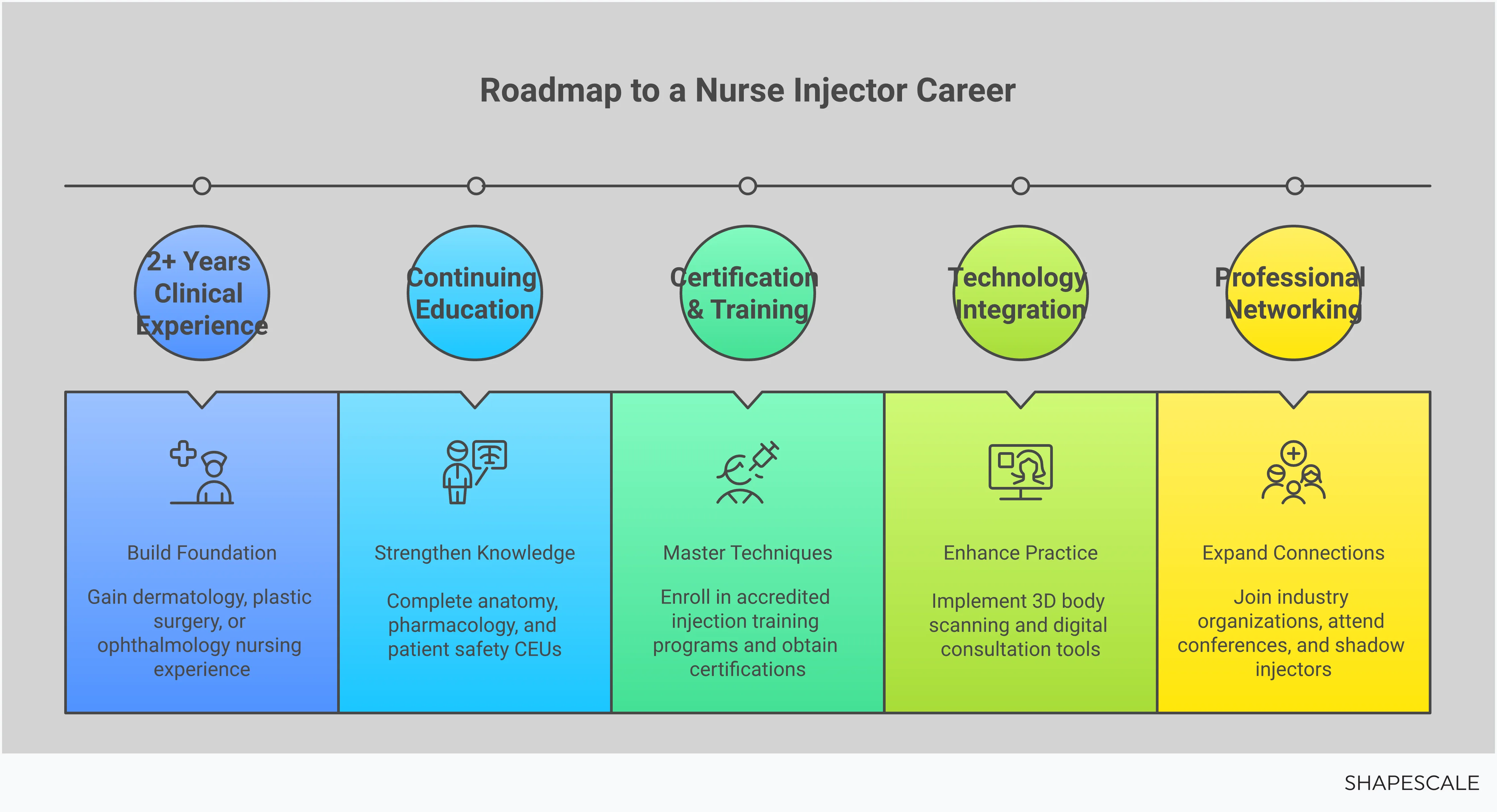
Build Relevant Nursing Experience
Before you can specialize in aesthetics, you need a strong clinical foundation. Most successful nurse injectors have at least two years of hands-on nursing experience, ideally in a related field. Working in dermatology, plastic surgery, or ophthalmology under a board-certified physician provides invaluable exposure to facial anatomy and patient care in a cosmetic or surgical context. This background not only sharpens your clinical judgment but also demonstrates to future employers that you have the discipline and understanding of the core responsibilities of a nurse injector. This experience is your entry ticket, proving you have the fundamental skills to safely and effectively care for patients seeking aesthetic treatments.
Find an Accredited Training Program
Once you have the required nursing experience, your next step is to get specialized training. Look for accredited, hands-on certification programs that cover both didactic theory and practical injection techniques. Attending beginner workshops is a great way to learn foundational skills and show potential employers that you are serious about entering the field. These courses teach you the science behind neurotoxins and dermal fillers, patient assessment, and how to handle adverse events. Completing a reputable aesthetic nursing program provides you with the credentials and confidence needed to start your career. It’s an investment in your future that pays off by making you a more competitive and competent candidate.
Develop Your Network and Skills
The aesthetics industry is built on relationships and continuous learning. Start building your professional network by connecting with experienced injectors in your area. Reach out to them for advice or ask if you can shadow them for a day to observe their techniques and patient interactions. This is one of the best ways to gain practical insights that you can’t get in a classroom. Beyond injectables, a deep understanding of skin science and related treatments like chemical peels, lasers, and facials will make you a more well-rounded and valuable practitioner. The most successful injectors are lifelong learners who stay current with industry trends and constantly refine their craft.
Frequently Asked Questions
What really sets a nurse injector apart from an esthetician? The key difference is their medical background. A nurse injector is a licensed Registered Nurse (RN) with a deep understanding of anatomy, physiology, and patient safety protocols. This clinical foundation allows them to perform medical procedures like administering Botox and dermal fillers, which estheticians are not licensed to do. Their nursing education equips them to handle consultations, manage potential complications, and provide a higher level of clinical care.
Do I need a specific type of nursing experience to get into this field? While there isn't one single path, experience in certain specialties is highly beneficial. Most employers look for at least two years of clinical experience in fields like dermatology, plastic surgery, or ophthalmology. This background provides a strong foundation in facial anatomy and patient care within a relevant context, making you a much more attractive candidate when you're ready to transition into aesthetics.
What is the biggest challenge when you're just starting out as a nurse injector? The biggest hurdle is often getting that first job. Many clinics are hesitant to hire new injectors because of the investment required for advanced training and the time it takes to build a client base. This creates a tough situation where you need experience to get a job, but you need a job to get experience. Overcoming this often means investing in your own foundational certification courses to show your commitment and networking actively to find a practice willing to mentor you.
Besides injection skills, what's the most important quality for a successful nurse injector? Excellent communication and the ability to manage client expectations are absolutely vital. Your role involves much more than just the technical procedure; you are a consultant. You must be able to listen to a client's goals, provide an honest assessment, explain potential outcomes and risks clearly, and build a relationship based on trust. This ensures clients feel safe and understood, which is the foundation of a loyal clientele.
How does 3D body scanning actually improve the client experience? 3D body scanning makes the entire process more transparent and collaborative. During a consultation, you can use the scan to show clients a detailed, three-dimensional view of the treatment area, which helps them visualize the plan and set realistic goals. It also provides an objective baseline to track progress over time. Being able to show clients clear, measurable changes reinforces the value of your work and keeps them engaged in their treatment journey.