Best ways to measure body fat percentage: 8 methods compared


The best way to measure body fat percentage depends on what you need. For a single, careful reading, a DEXA scan or a Bod Pod is the usual reference. For tracking change every few weeks, a 3D body scan or a professional bioelectrical impedance (BIA) machine run under the same conditions each time works well. Tape measures, calipers, and smart scales are cheap ways to watch a trend, but their readings can be off by several points.
This guide explains how each method works, what it costs you in time and hassle, how accurate it is when we have a published number, and who should use it. Updated 13 Nov 2026 (PT).
What body fat percentage means
Body fat percentage is the share of your body weight that is fat. If you weigh 180 lb and carry 36 lb of fat, you are at 20%. The number moves when you gain or lose fat, and it also moves when you gain or lose muscle, because muscle changes the total. That is why two people with the same weight and the same body-mass index (BMI) can have very different body fat.
No method outside a lab weighs your fat directly. Every option below estimates it from something else: skin thickness, girths, electrical resistance, X-ray absorption, body density, or body shape. The method decides how big the miss can be.

Best ways to measure body fat at a glance
- Most careful single reading: DEXA scan or Bod Pod, at a clinic, university, or specialist center.
- Best for tracking shape and composition over time: a 3D body scan, at a gym, studio, or clinic that has one.
- Good for trends if the protocol is strict: a professional BIA machine such as an InBody 770.
- Cheapest at home: a tape measure or skinfold calipers, used the same way every time.
- Easiest at home, least accurate in the study we cite: a smart scale.
Tape measure and body circumference
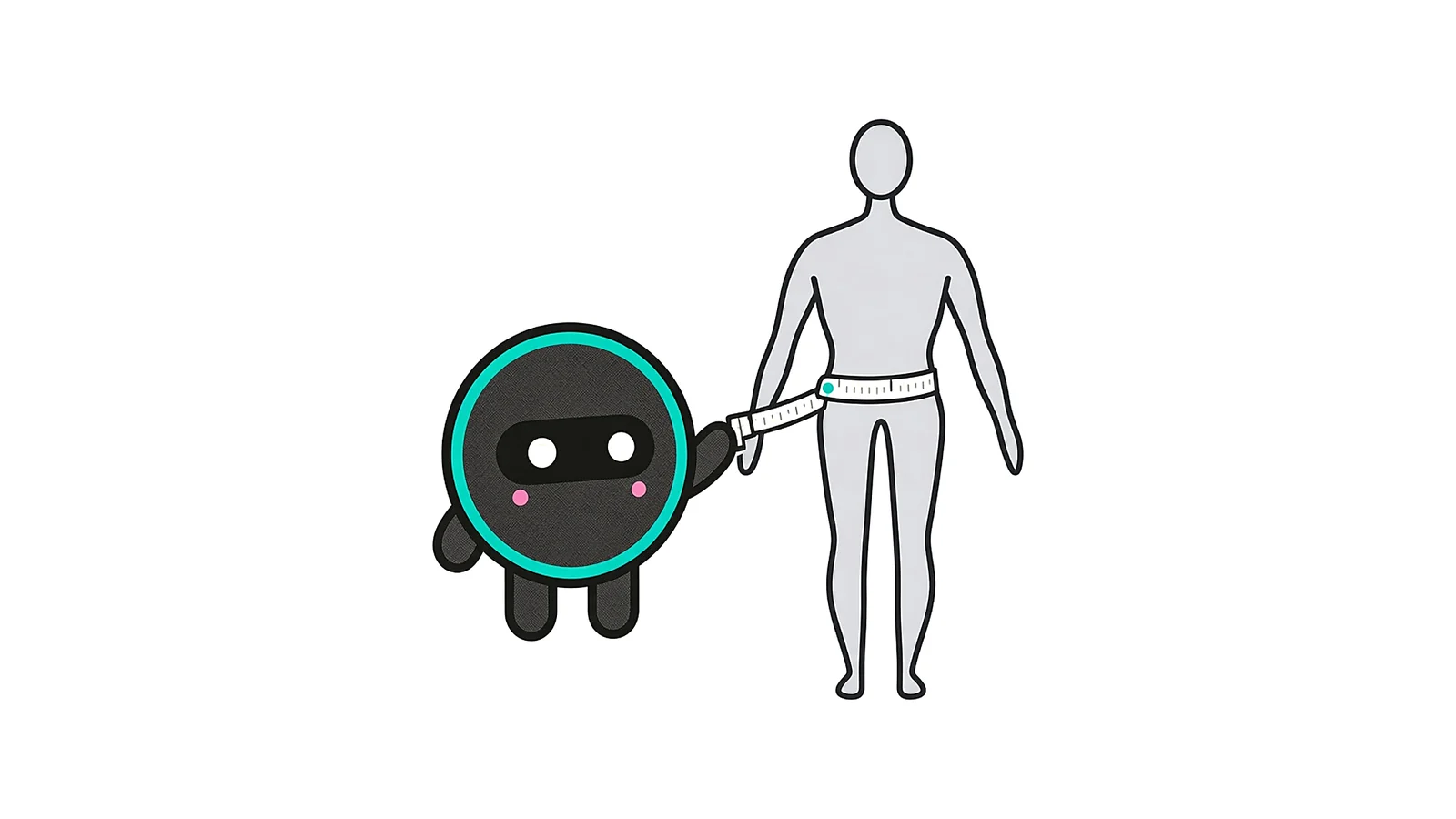
A flexible tape and a formula are the cheapest way to estimate body fat. The US Navy method, for example, uses your height plus neck and waist girths (and hips for women). It costs almost nothing and takes two minutes. The catch is that the equation assumes your shape matches the people it was built on, so the estimate can be well off for very muscular or very lean bodies.

Even when the percentage is shaky, the girths themselves are useful. A waist that drops by an inch is real progress no matter what any formula says. Measure at the same spot, at the same time of day, with the tape snug but not tight.
Skinfold calipers
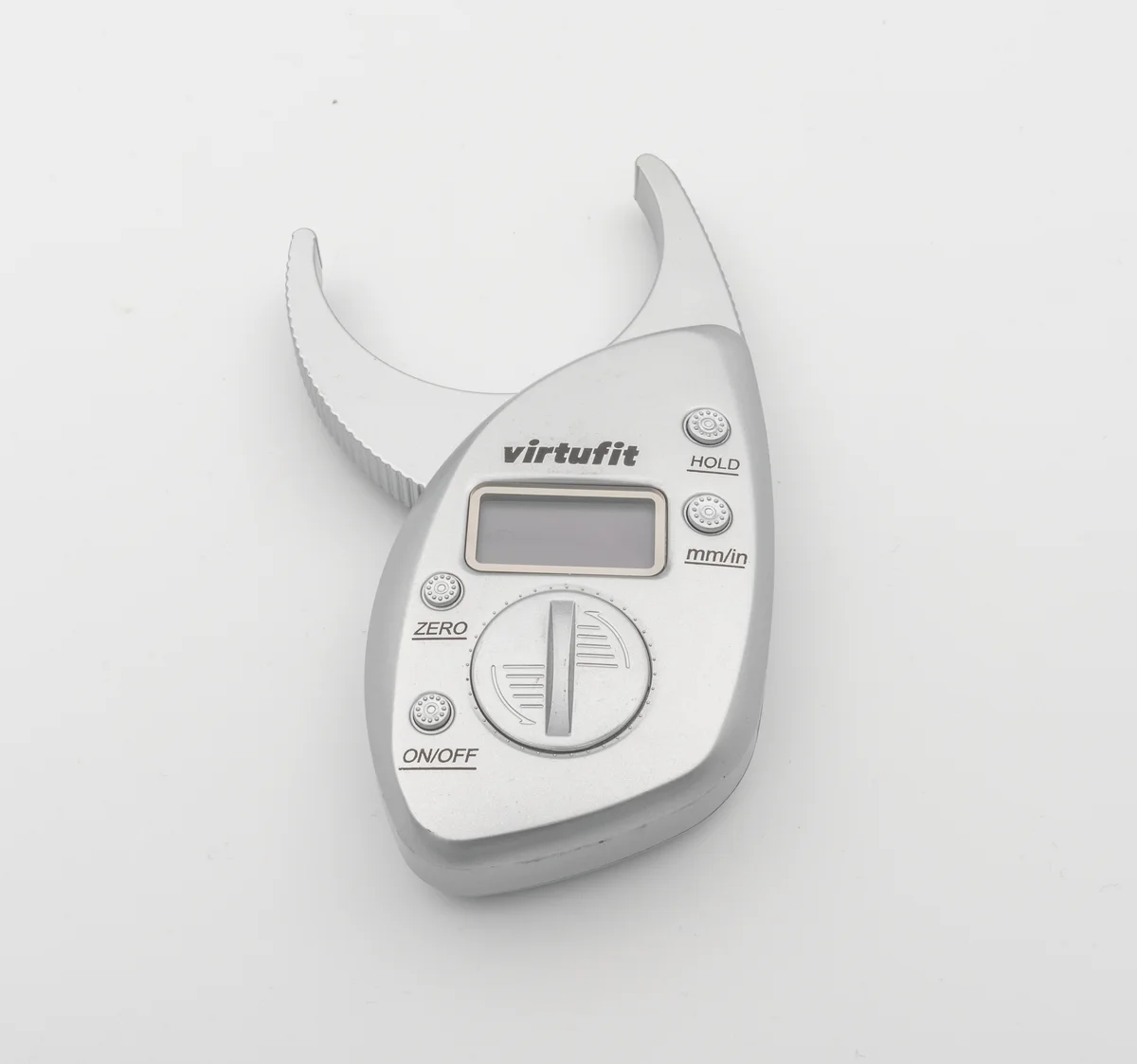
Calipers pinch a fold of skin and the fat under it at three or seven set sites, such as the chest, belly, thigh, triceps, and below the shoulder blade. An equation turns those thicknesses into a body fat estimate. Calipers are cheap and portable. Accuracy depends heavily on who is pinching. A trained tester who uses the same sites every time can track change well. A beginner can miss by a lot, and calipers only see fat under the skin, not fat around the organs.
Smart scales (home BIA)
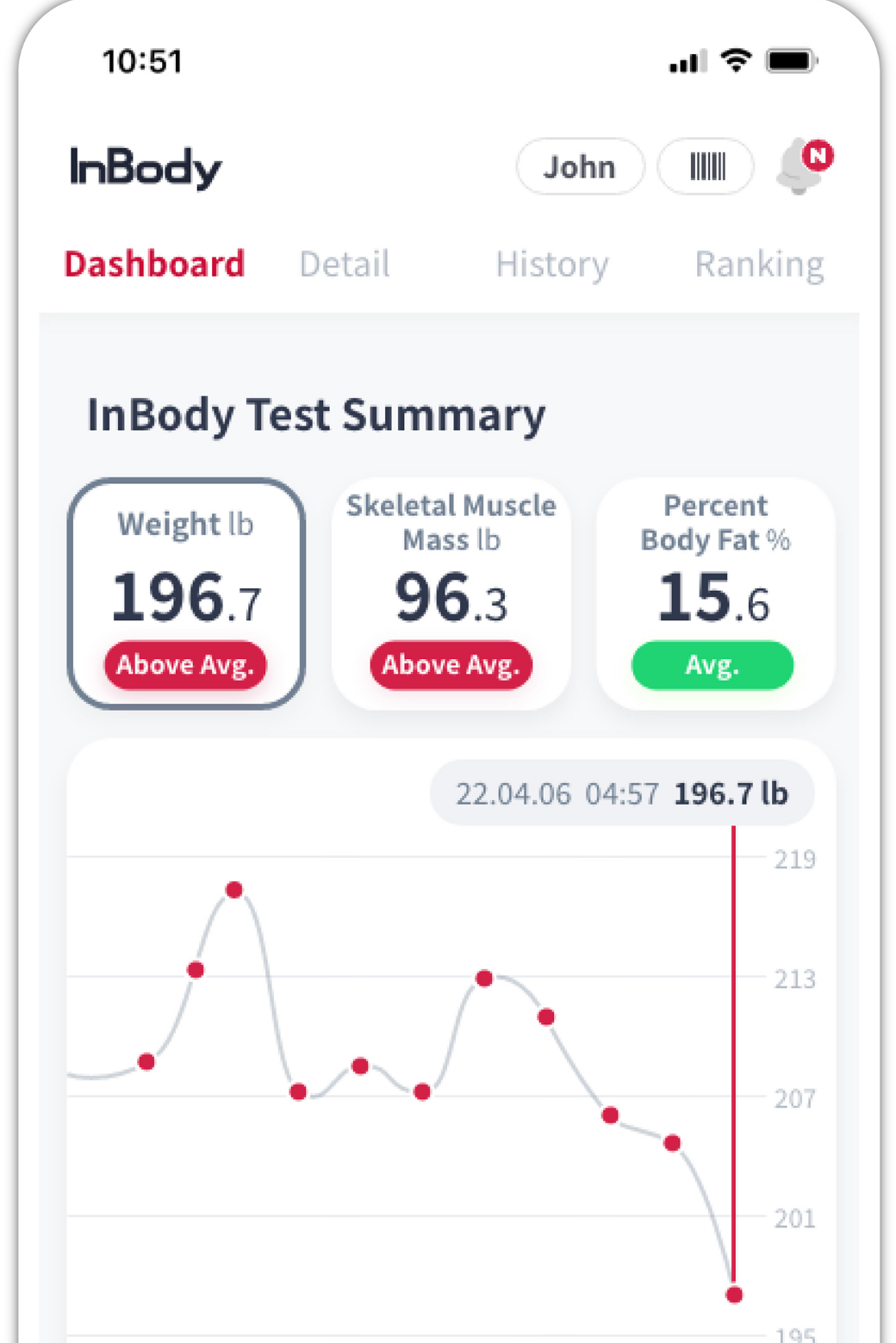
A smart scale sends a small current from one foot to the other, or through hand grips and foot pads, and estimates body fat from the resistance. They are the easiest option at home, and they are the method most likely to swing with water, food, and exercise.
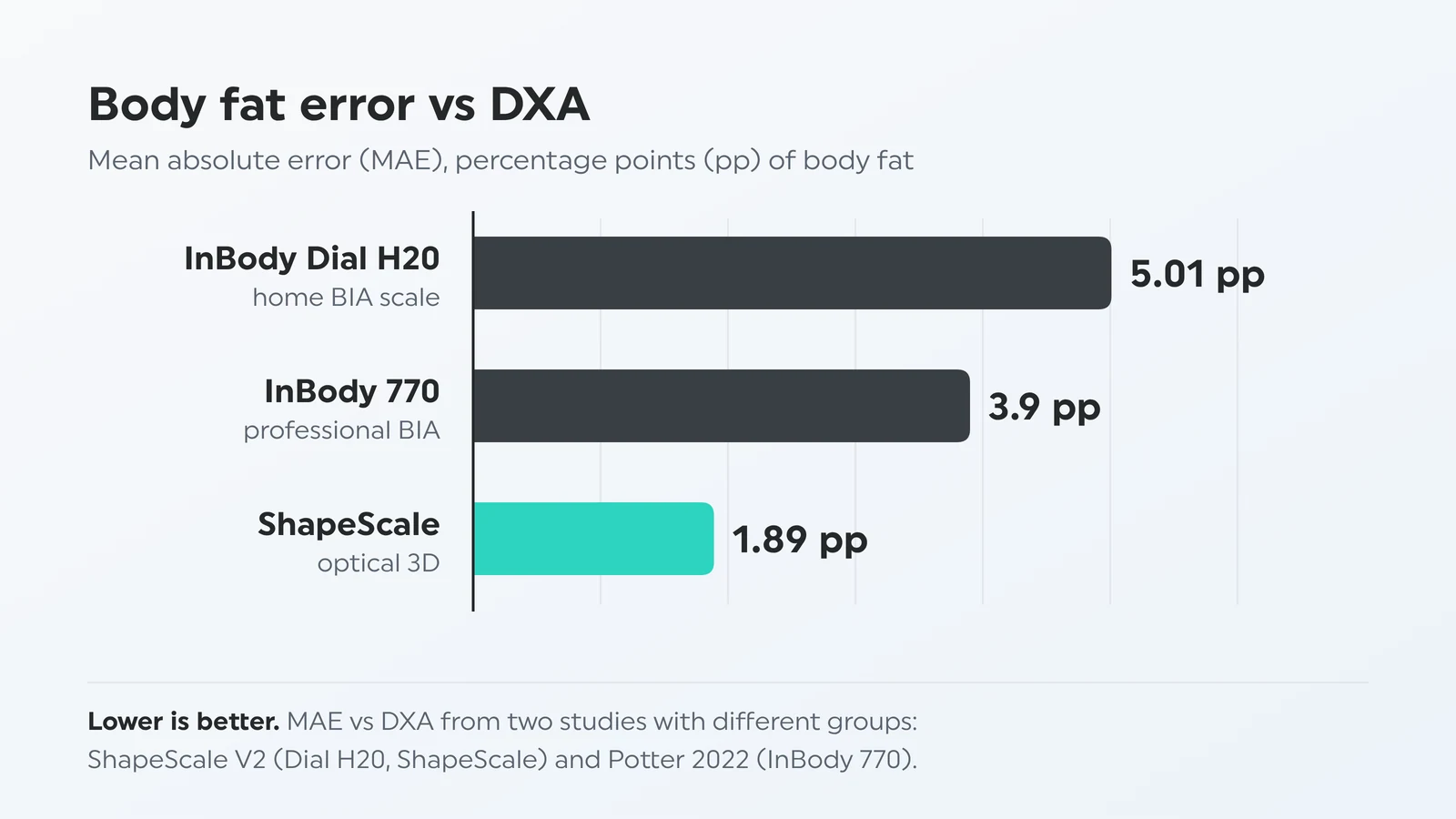
We have one direct number here. In the ShapeScale March 2026 white paper, an InBody Dial H20 smart scale was tested against GE Lunar iDXA on the same participants. Its body fat mean absolute error (MAE, the average size of a miss) was 5.01 percentage points, and it consistently read body fat too low. Use a smart scale to see which way you are trending.

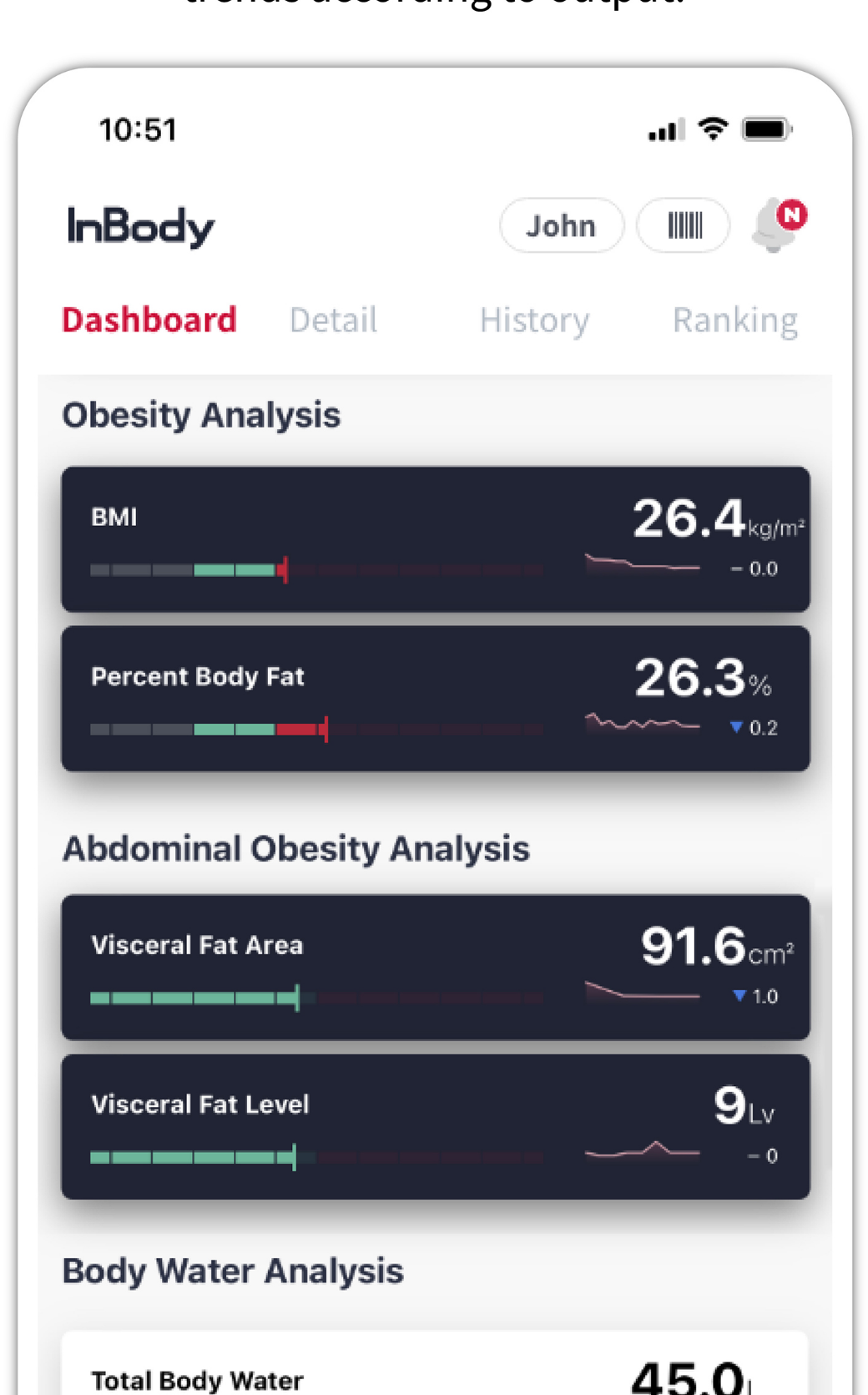
Professional BIA (InBody and similar)
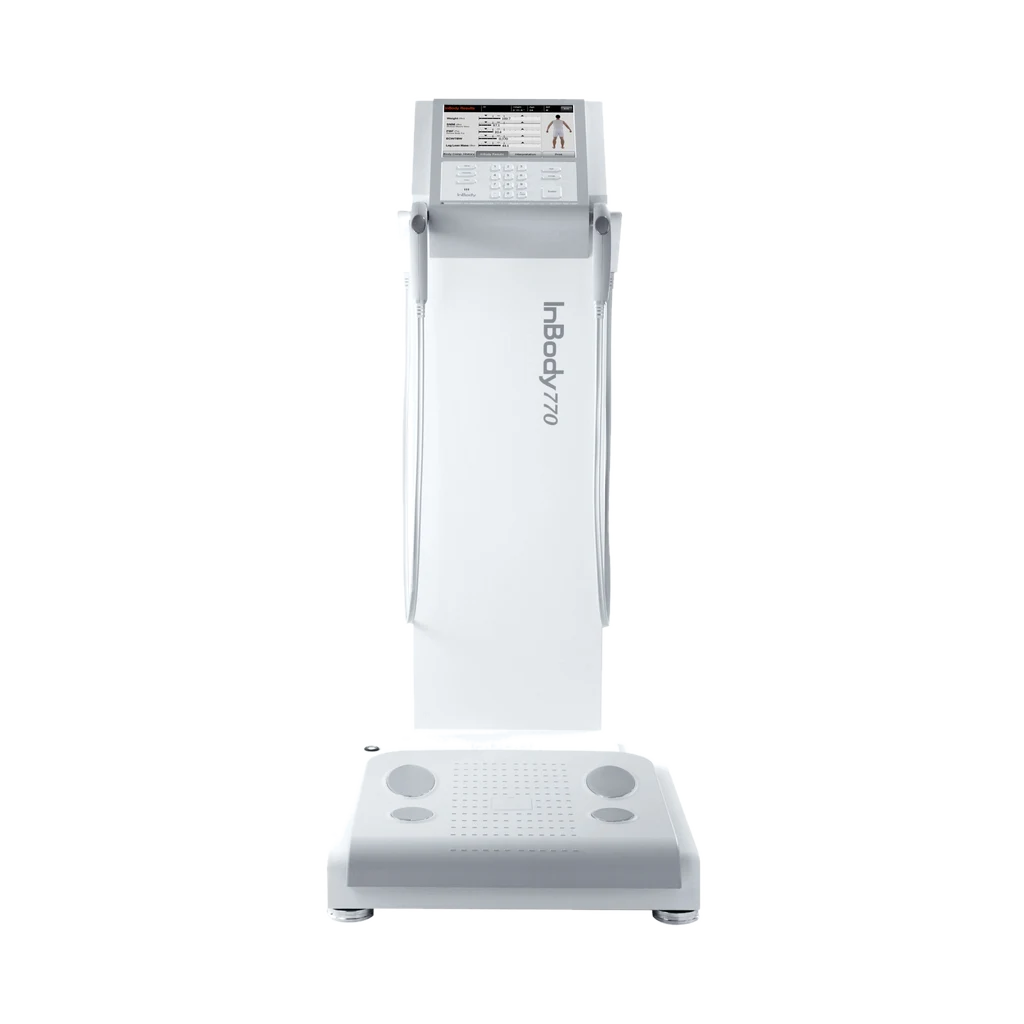
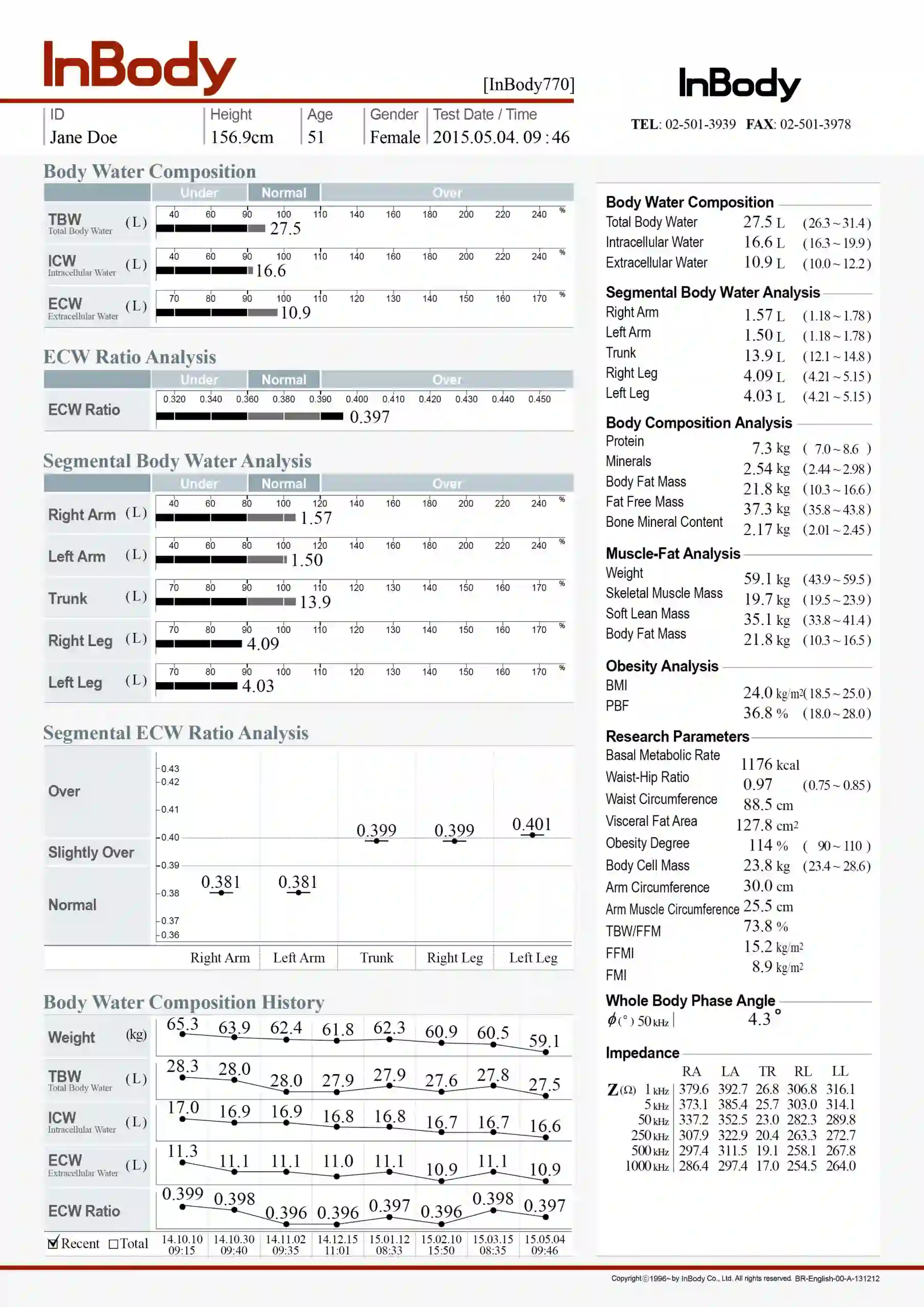
Gym and clinic BIA machines, such as the InBody 770, run current at several frequencies through hand and foot electrodes and report fat mass, lean mass, and body water on a printed sheet. They are more consistent than a bathroom scale. They still read water, so food, drinks, training, and time of day all move the result. InBody asks people to wait at least 3 hours after a meal and to retest every 2 to 4 weeks under the same conditions (InBody Test, checked 13 Nov 2026).
A single InBody test at a gym or clinic usually costs $20 to $60. Where to find one is in InBody scan near me, and published accuracy studies are summarized in InBody scan accuracy.
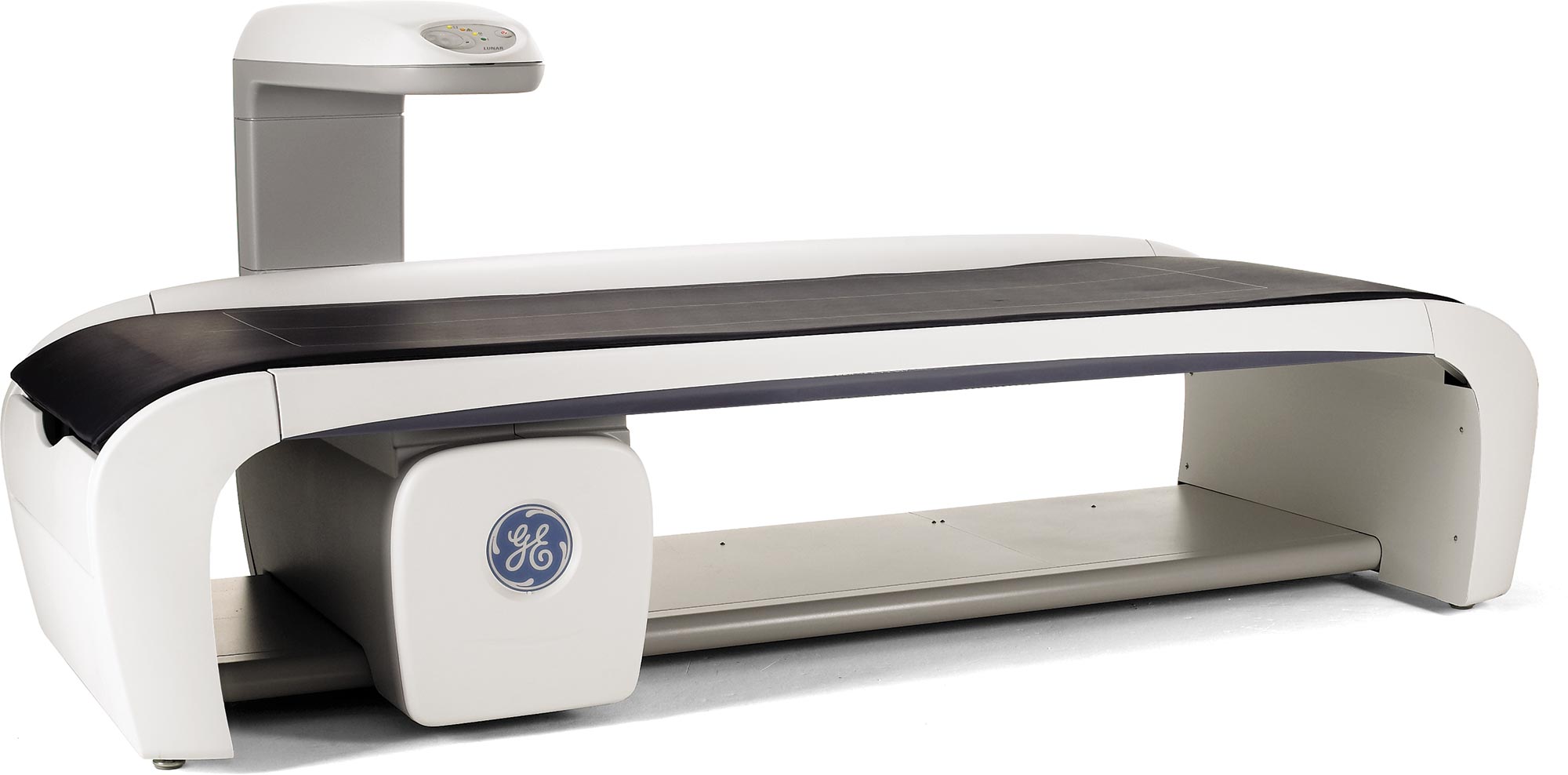
DEXA scan
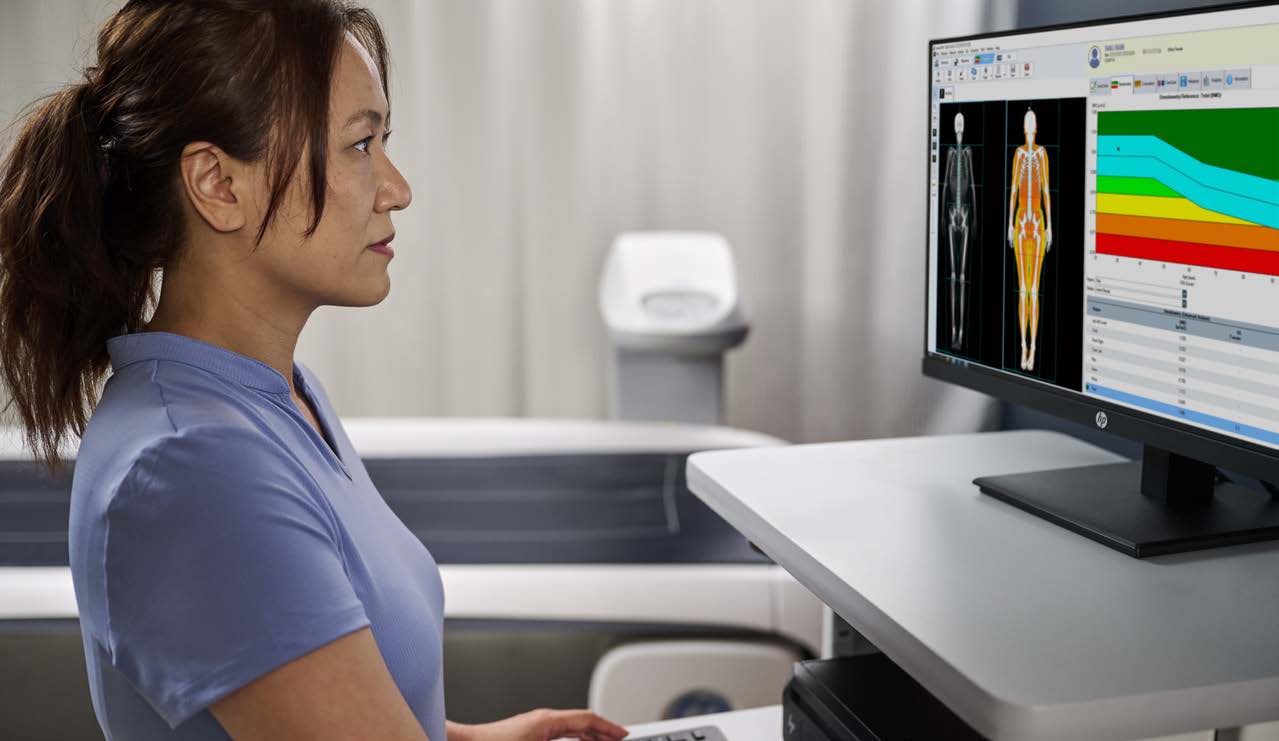
Dual-energy X-ray absorptiometry (DEXA or DXA) passes two low-dose X-ray beams over you while you lie still on a table. It splits your body into fat, lean tissue, and bone, region by region, which is why researchers use it as the reference for other methods. The trade-offs are access and cost: you usually need a clinic, hospital, or specialist center, and it involves a small dose of radiation, so it is not something most people repeat every few weeks.
The results come back as a body map with fat and lean tissue for the arms, legs, and trunk, read on the operator's workstation.
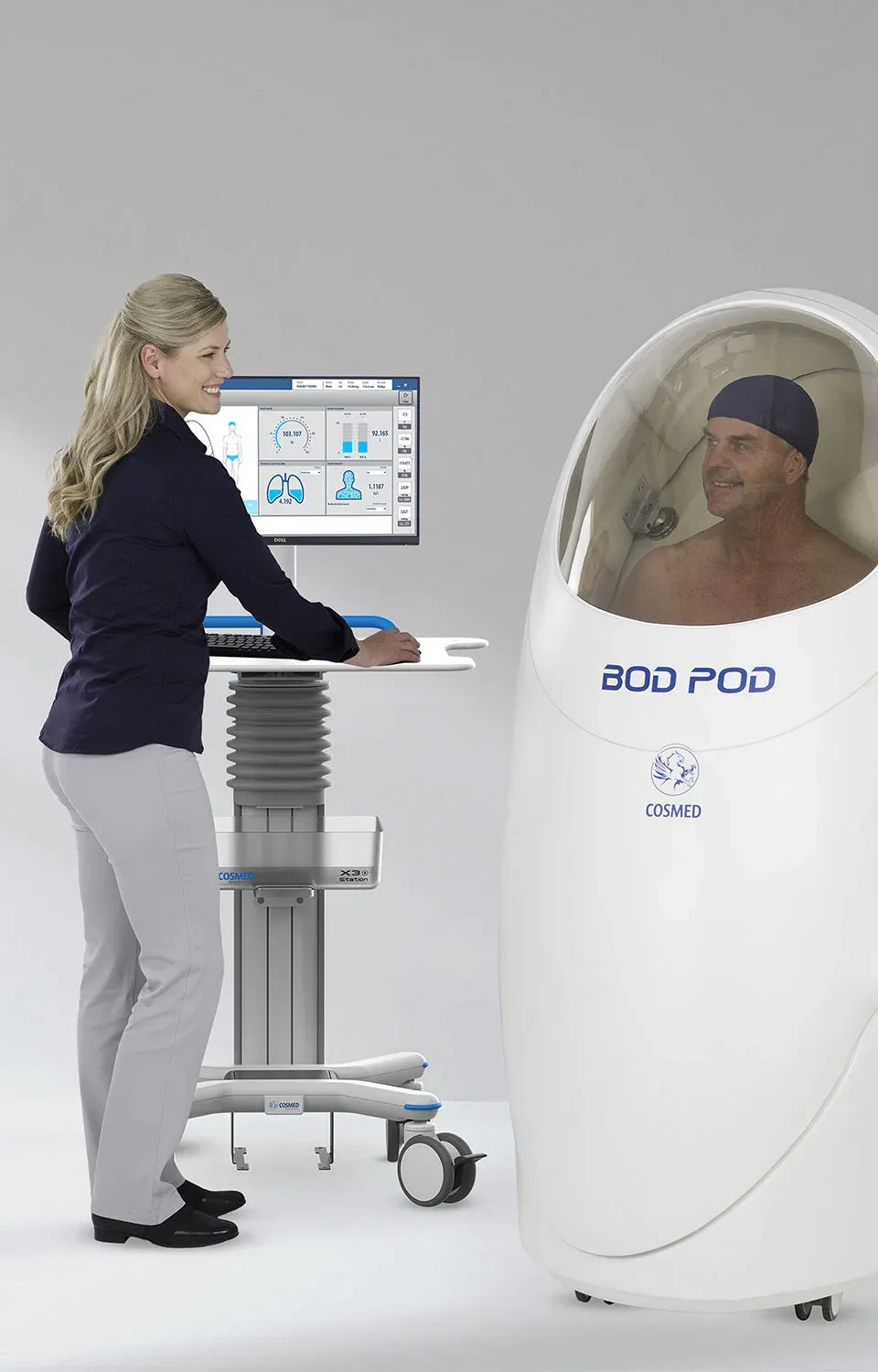
Bod Pod (air displacement)
The Bod Pod is an egg-shaped chamber. You sit inside in tight clothing and a swim cap, and the machine measures how much air your body displaces to work out your volume, then your density, then your fat and fat-free mass. COSMED, the maker, describes it as an air displacement plethysmography (ADP) system for adults and children (COSMED BOD POD GS-X, checked 13 Nov 2026). There is no radiation. You will mostly find one at universities, sports programs, and some clinics.
Staff run the test and read the result from a computer beside the chamber.

Hydrostatic (underwater) weighing
Hydrostatic weighing works on the same density idea as the Bod Pod, using water instead of air. You breathe out as far as you can, go fully under, and get weighed. Your dry weight and underwater weight give your density, and an equation turns that into body fat. It was a lab standard for decades. Today it is hard to find, and it is not for anyone who is uncomfortable holding their breath under water.
3D body scan
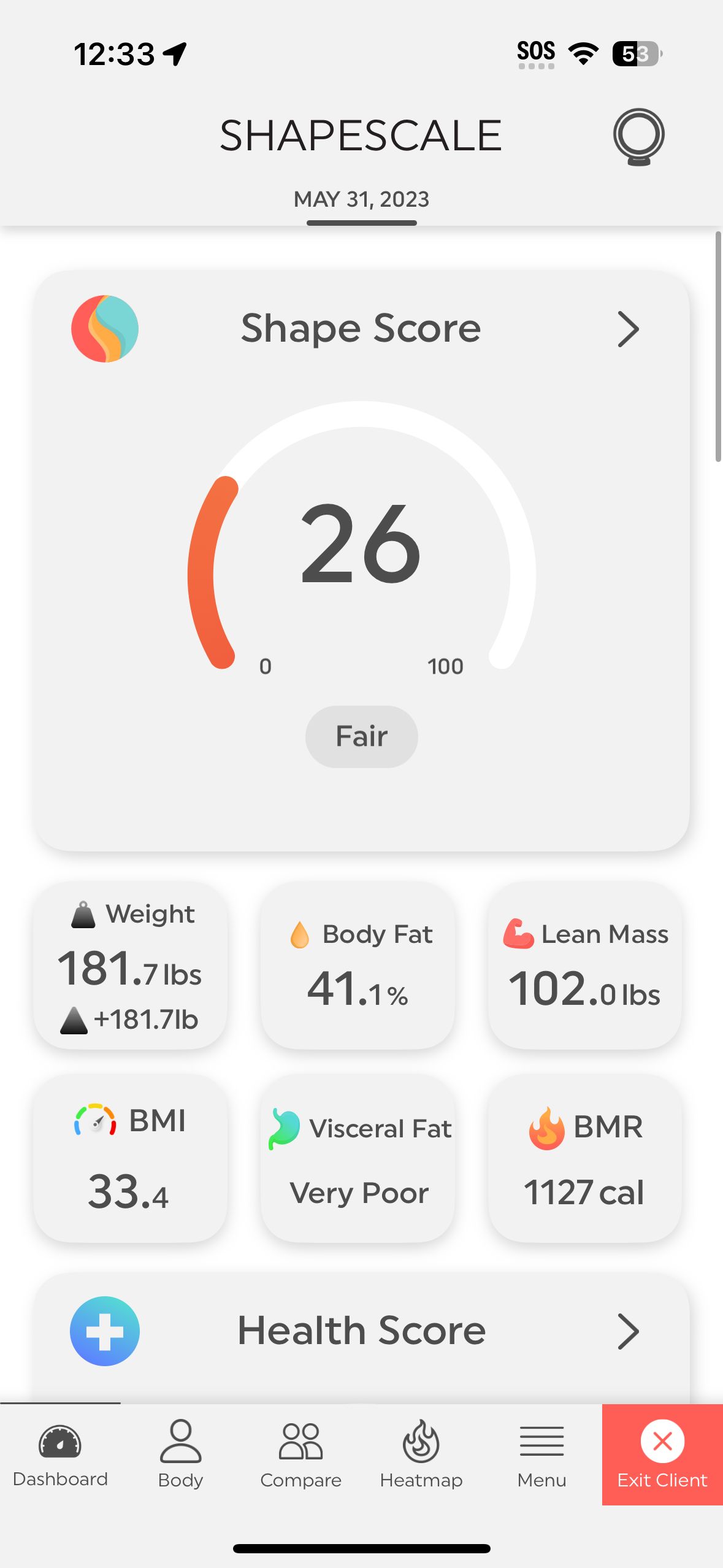
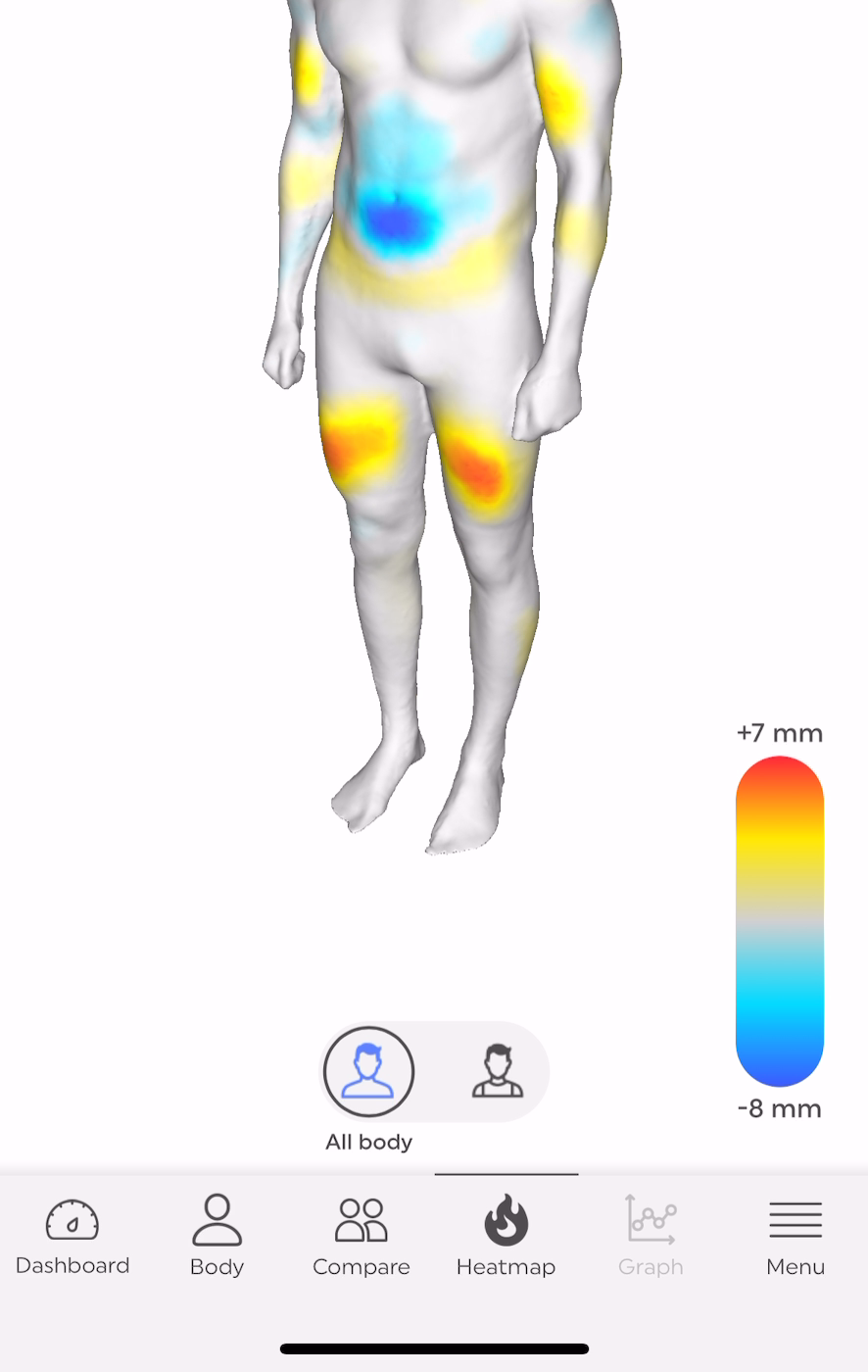
A 3D body scanner builds a model of your body surface, then measures it. You get circumferences and regional volumes directly, which no other method on this list gives you, plus a body fat estimate from the shape. That makes it the best fit when you want to see where on your body you changed.

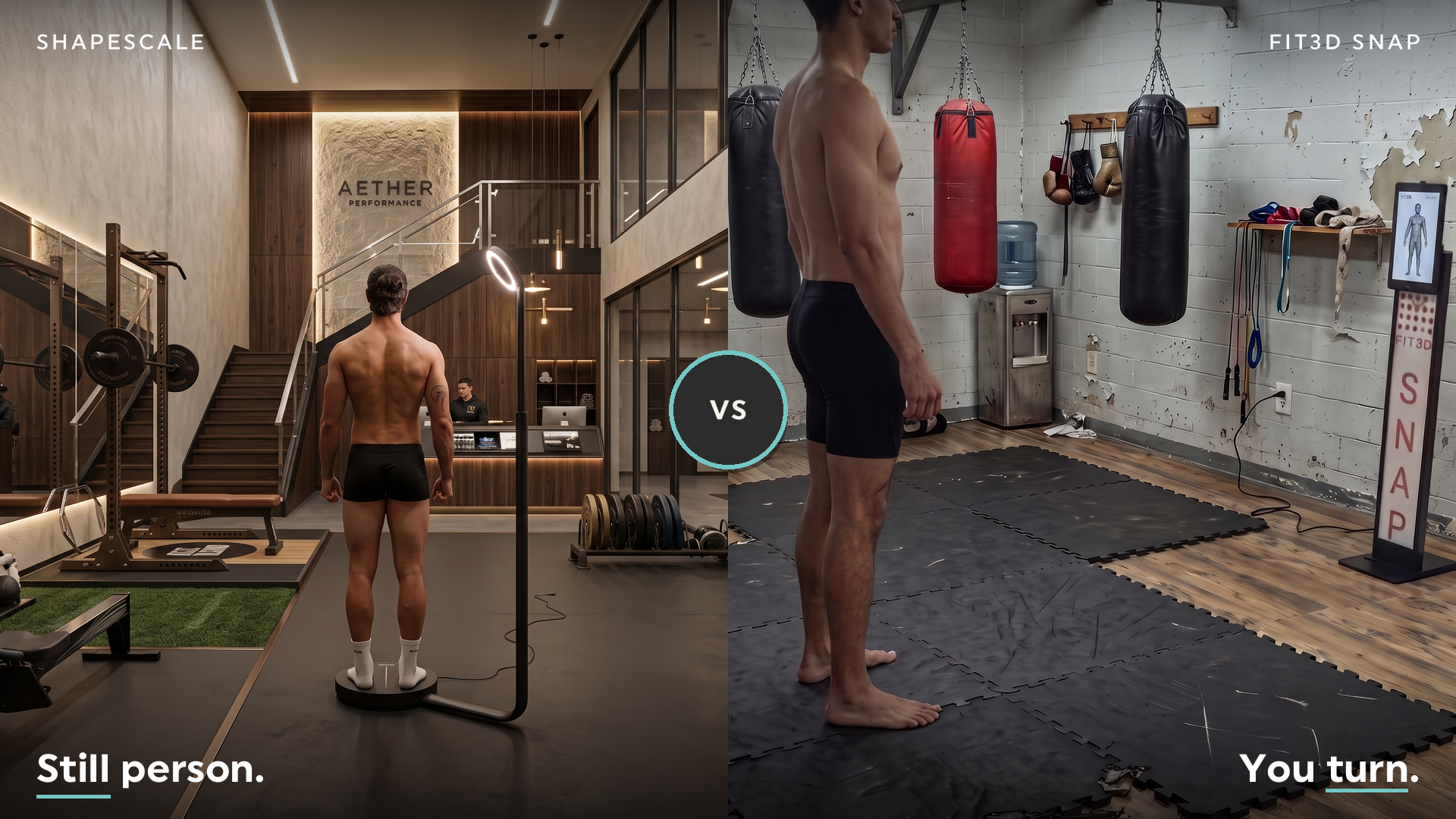
ShapeScale is one example. You stand still on the base, the sensor head moves around you, and the scan takes under a minute. There are no electrodes and no radiation. Composition comes from a model trained on paired 3D scans and GE Lunar iDXA results from more than 1,000 adults. In the March 2026 white paper, body fat MAE versus iDXA was 1.89 percentage points (R² 0.91), lean mass MAE was 3.3 lb (1.49 kg), and appendicular lean mass (ALM, lean tissue in the arms and legs) MAE was 2.1 lb (0.97 kg). Clothing, hair, and stance affect the scan, so wear the same thing each time.

To find a scanner near you, use the ShapeScale location finder. The 3D body scan guide explains how the method works.
How accurate is each method?
Accuracy numbers only mean something when you know the reference method and the group tested. The cleanest comparison we can show comes from one study where the same adults had a DEXA scan, a 3D scan, and a smart-scale reading. The 3D scan missed DEXA by 1.89 percentage points on average. The smart scale missed by 5.01. Professional BIA sits between those in separate InBody 770 studies (Potter 2022 and Lahav 2021), summarized on InBody scan accuracy.
For tape, calipers, hydrostatic weighing, and the Bod Pod, the error depends on the equation, the tester, and the group. We do not quote a single number for them here.
Body fat percentage versus BMI
Body-mass index (BMI) is your weight in kilograms divided by your height in meters squared. It says nothing about what the weight is made of. A muscular athlete can land in the "overweight" BMI range with low body fat, and someone with little muscle can sit in the "normal" range with high body fat. BMI is fine for studying large populations. For one person tracking progress, body fat, girths, and lean mass tell you more.
For gyms and clinics choosing a method
If you run a gym, studio, med spa, plastics practice, GLP-1 or weight-loss clinic, or nutrition practice, the question is which method clients will trust and come back for. A BIA column is fast and familiar. A 3D scanner adds the picture: a photoreal body, inches, regional volumes, and a heatmap of change, which is what clients ask about after a program or treatment.
ShapeScale needs a 5 x 5 ft bay and a 7 ft ceiling. It is $299/mo billed monthly or $199/mo billed annually ($2,388 a year) on the 12-Month Plan, or $9,990 to buy, plus $199 delivery and setup, with a 45-day return period. See pricing, the compare hub, and the body scan gym guide.
FAQ
What is the most accurate way to measure body fat percentage?
A DEXA scan is the usual reference in research, and the Bod Pod and hydrostatic weighing are other lab methods. For repeat tracking outside a lab, a 3D body scan had the lowest error versus DEXA in the study we cite: 1.89 percentage points on average, against 5.01 for a smart scale.
What is the most accurate way to measure body fat at home?
At home your choices are a tape measure, skinfold calipers, or a smart scale. Calipers in trained hands and consistent tape measurements usually beat a bathroom scale for tracking change. Whatever you use, measure at the same time of day under the same conditions, and watch the trend rather than any single reading.
Are smart scales accurate for body fat?
Not very, as a single number. In the March 2026 ShapeScale white paper, an InBody Dial H20 smart scale missed DEXA by 5.01 percentage points on average and tended to read body fat low. They can still show which way you are trending if you weigh in the same way every time.
How often should I measure body fat?
Every 2 to 4 weeks is enough for most people. Body fat changes slowly, and daily readings mostly show water swings. InBody recommends retesting every 2 to 4 weeks under the same conditions, and the same habit works for any method.
Is a 3D body scan as accurate as DEXA?
No method matches DEXA exactly, because DEXA is the reference the others are measured against. ShapeScale's model was trained against GE Lunar iDXA and missed it by 1.89 percentage points on average in the March 2026 white paper. A 3D scan also gives you girths and regional volumes, which DEXA does not report.
Is BMI the same as body fat percentage?
No. BMI only uses height and weight. Body fat percentage estimates how much of your weight is fat. Two people with the same BMI can have very different body fat.
Sources
- ShapeScale March 2026 composition white paper. ShapeScale and InBody Dial H20 versus GE Lunar iDXA, 1,000+ adults.
- InBody scan accuracy. Professional BIA studies.
- Potter et al., BMJ Nutrition, Prevention and Health, 2022. InBody 770 versus iDXA.
- Lahav et al., European Journal of Clinical Nutrition, 2021. InBody 770 versus DXA.
- Wikimedia Commons. Tape measure and skinfold caliper photos, credited in captions.
- InBody Test (checked 13 Nov 2026). Prep and retest guidance.
- COSMED BOD POD GS-X (checked 13 Nov 2026).
- GE HealthCare Lunar iDXA.
- InBody Dial H20.